Music
Music
Intent
The National Curriculum for music aims to ensure that all children:
- perform, listen to, review and evaluate music
- be taught to sing, create and compose music
- understand and explore how music is created, produced and communicated
At Radford Semele, children experience and gain a deep understanding of what music is through listening, singing, playing, evaluating, analysing, and composing across a wide variety of historical periods, styles, traditions, and musical genres. We believe all children are able to develop a love of music and curiosity for the subject, in addition to developing appreciation for a wide range of music, cultures and communities. We are dedicated to ensuring children understand the value and importance of music in the wider community and are able to use their musical skills, knowledge, and experiences to involve themselves in music, in a variety of different contexts.
The intention of the Kapow Primary music scheme is first and foremost to help children to feel that they are musical, and to develop a life-long love of music. We focus on developing the skills, knowledge and understanding that children need in order to become confident performers, composers, and listeners. Our curriculum introduces children to music from all around the world and across generations, teaching children to respect and appreciate the music of all traditions and communities.
Children will develop the musical skills of singing, playing tuned and untuned instruments, improvising and composing music, and listening and responding to music. They will develop an understanding of the history and cultural context of the music that they listen to and learn how music can be written down. Through music, our curriculum helps children develop transferable skills such as team-working, leadership, creative thinking, problem-solving, decision-making, and presentation and performance skills. These skills are vital to children’s development as learners and have a wider application in their general lives outside and beyond school.
Kapow Primary’s Music scheme of work enables pupils to meet the end of key stage attainment targets outlined in the National curriculum and the aims of the scheme align with those in the
National curriculum.
Implementation
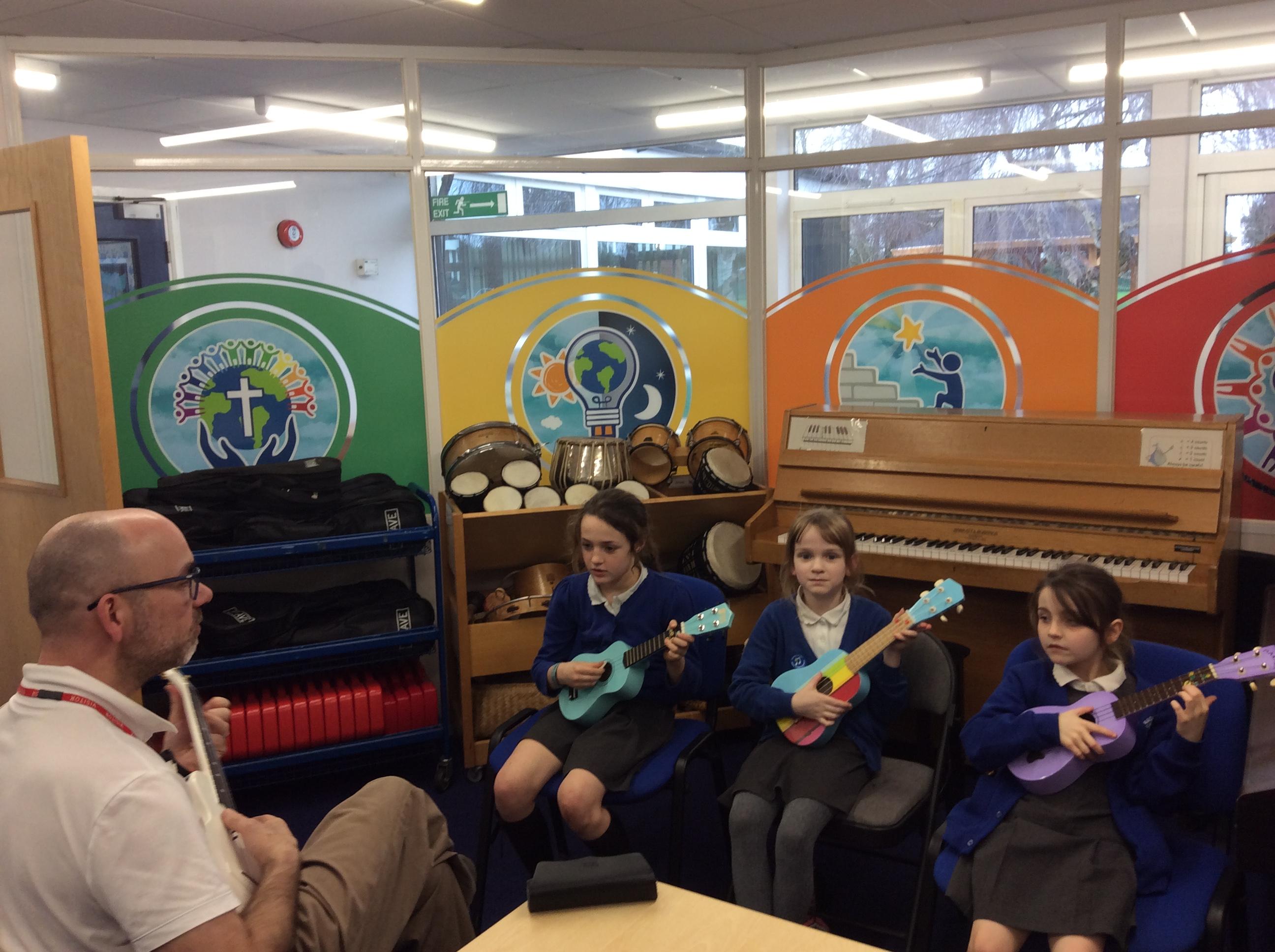
Music is taught discretely through a weekly music lesson. Across the year, each class will work through 6 units from the Kapow Music School scheme. As part of Masterclass Years 3 and 4 will have whole class instrument tuition for a term, taught by a specialist music teacher and this will replace two of their other units.
Kapow Primary’s Music scheme takes a holistic approach to music, in which the individual strands below are woven together to create engaging and enriching learning experiences:
● Listening and evaluating
● Creating sound
● Notation
● Improvising and composing
● Performing
Each five-lesson unit combines these strands within a cross-curricular topic designed to capture pupils’ imagination and encourage them to explore music enthusiastically. Over the course of the scheme, children will be taught how to sing fluently and expressively, and play tuned and untuned instruments accurately and with control. They will learn to recognise, demonstrate and name the interrelated dimensions of music - pitch, duration, tempo, timbre, structure, texture and dynamics - and use these expressively in their own improvisations and compositions.
The National curriculum coverage shows which of our units cover each of the National curriculum attainment targets as well as each of the strands.
The Progression of knowledge and skills shows the skills that are taught within each year group and how these skills develop to ensure that attainment targets are securely met by the end of each key stage.
The Kapow Primary scheme follows the spiral curriculum model where previous skills and knowledge are returned to and built upon. Children progress in terms of tackling more complex tasks and doing more simple tasks better, as well as developing understanding and knowledge of the history of music, staff, and other musical notations, the interrelated dimensions of music and more.
Impact
The musicality of our pupils is celebrated and shared throughout the year in our Songs of Praise Collective Worship, performances to parents and through musical concerts. Ongoing assessment takes place throughout the year, including in Reception where children are assessed within the Early Learning Goals. Teachers use this information to inform future lessons; ensuring children are supported and challenged appropriately. Assessments are analysed and gaps in attainment are addressed.
In each music lesson, pupils will actively participate in musical activities drawn from a range of styles and traditions, developing their musical skills and their understanding of how music works. Lessons incorporate a range of teaching strategies from independent tasks, paired and group work as well as improvisation and teacher-led performances. Lessons are ‘hands-on’ and incorporate movement and dance elements, as well as making cross-curricular links with other areas of learning.
Differentiated guidance is available for every lesson to ensure that lessons can be accessed by all pupils and opportunities to stretch pupils’ learning are available when required. Knowledge organisers for each unit support pupils in building a foundation of factual knowledge by encouraging recall of key facts and vocabulary.
Strong subject knowledge is vital for staff to be able to deliver a highly effective and robust music curriculum. Each unit of lessons includes multiple teacher videos to develop subject knowledge and support ongoing CPD, aiding teachers in their own acquisition of musical skills and knowledge.
Further CPD opportunities can also be found via webinars with our music subject specialists. Kapow has been created with the understanding that many teachers do not feel confident delivering the music curriculum and every effort has been made to ensure that they feel supported to deliver lessons of a high standard that ensure pupil progression.
Music Development Plan
Music Long Term Plan
Progression in Music
Knowledge Organisers
Recent pupil voice highlighted the following:
“I love being part of choir as it allows me to express myself and show my talent to the rest of the school” (A pupil in Year 5)
“I enjoy music lessons because they are fun and really exciting!” (A pupil in Year 2)
“Music is my favourite subject because we get to experiment with lots of instruments and it allows me to be creative and free” (A pupil in Year 6)
“I look forward to our choir’s performance each week in Celebration of Achievement assembly” (A pupil in Year 4)
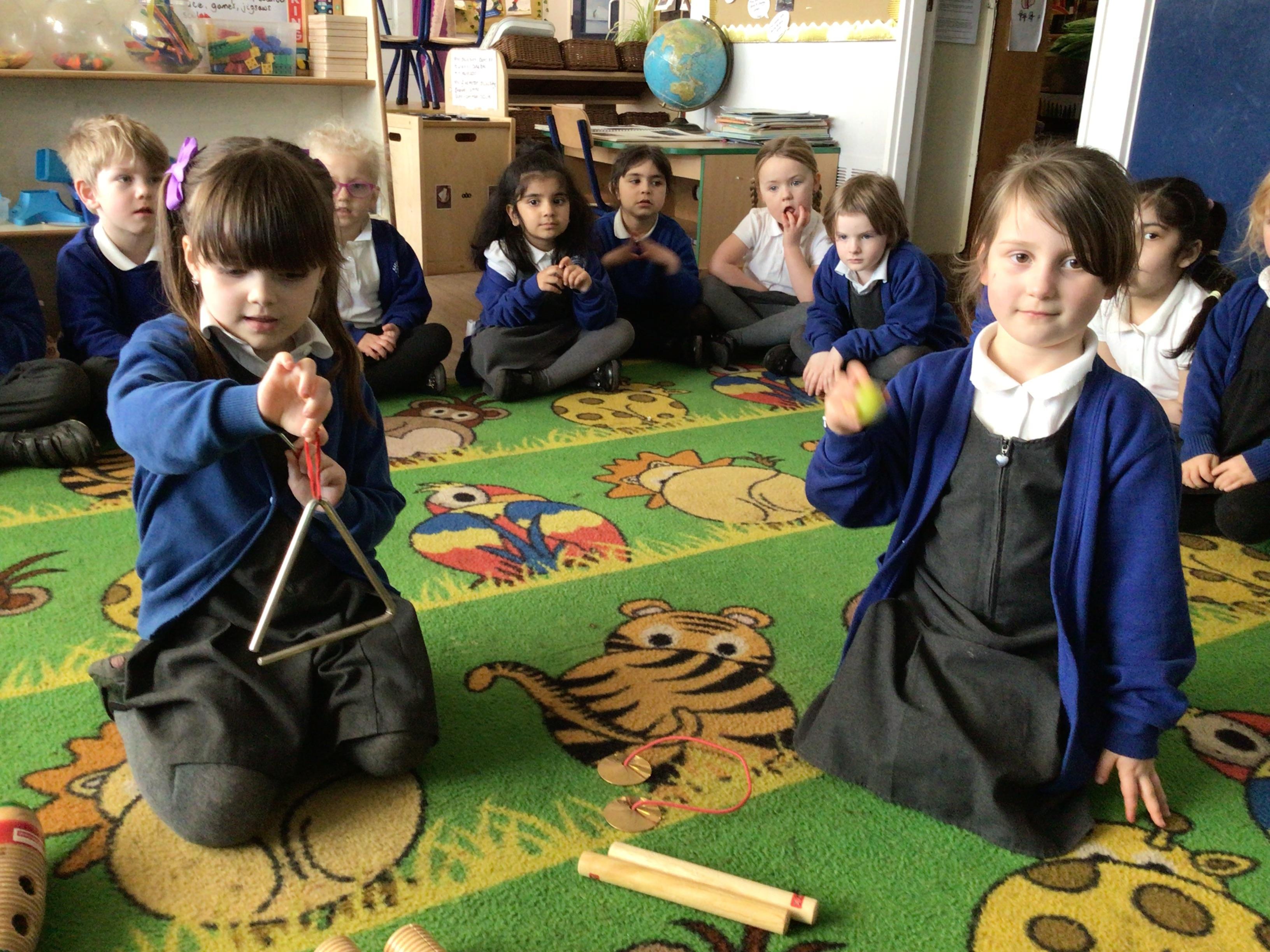
Reception class learns about different percussion instruments - naming them and discovering how to play them.
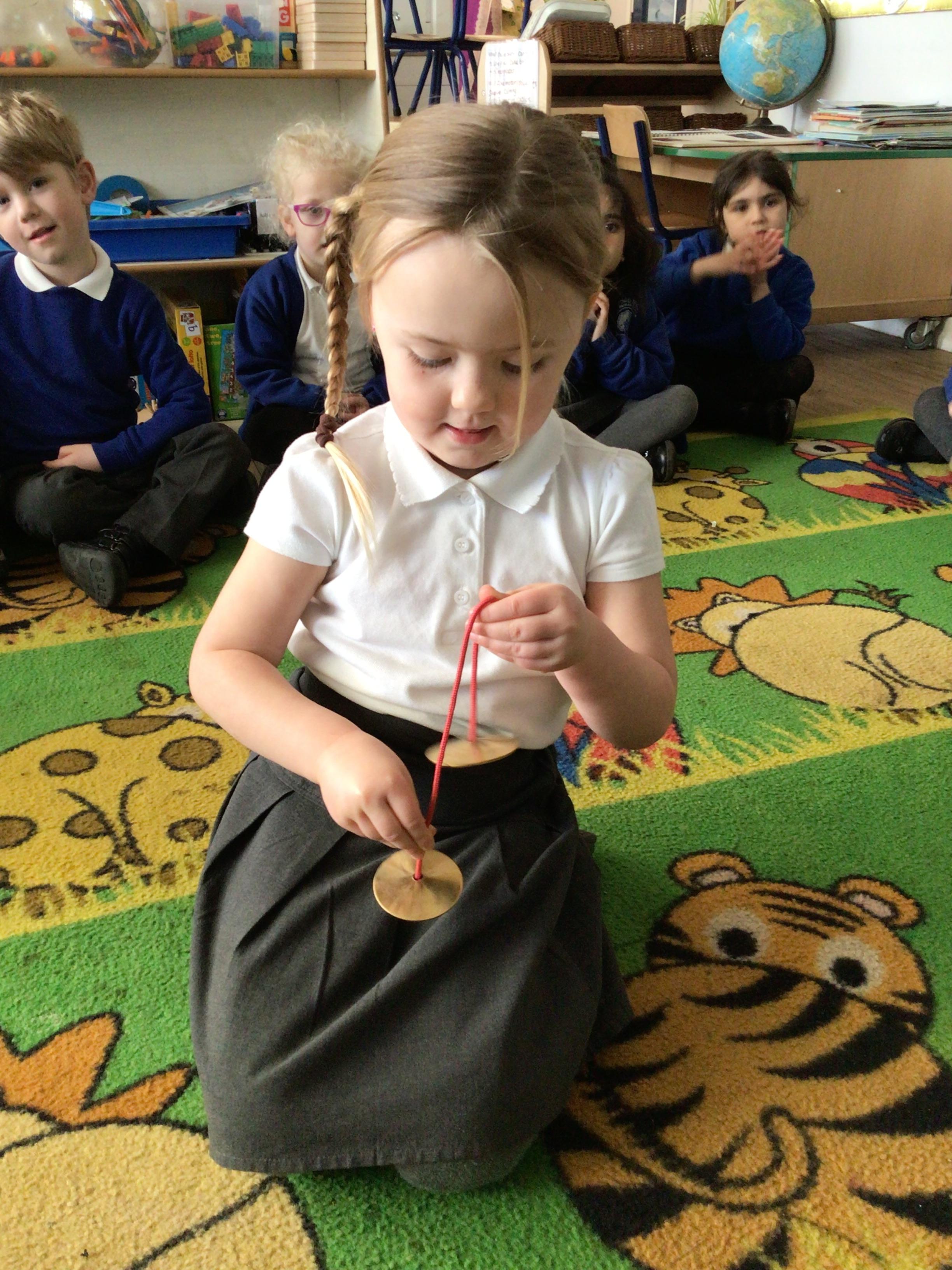
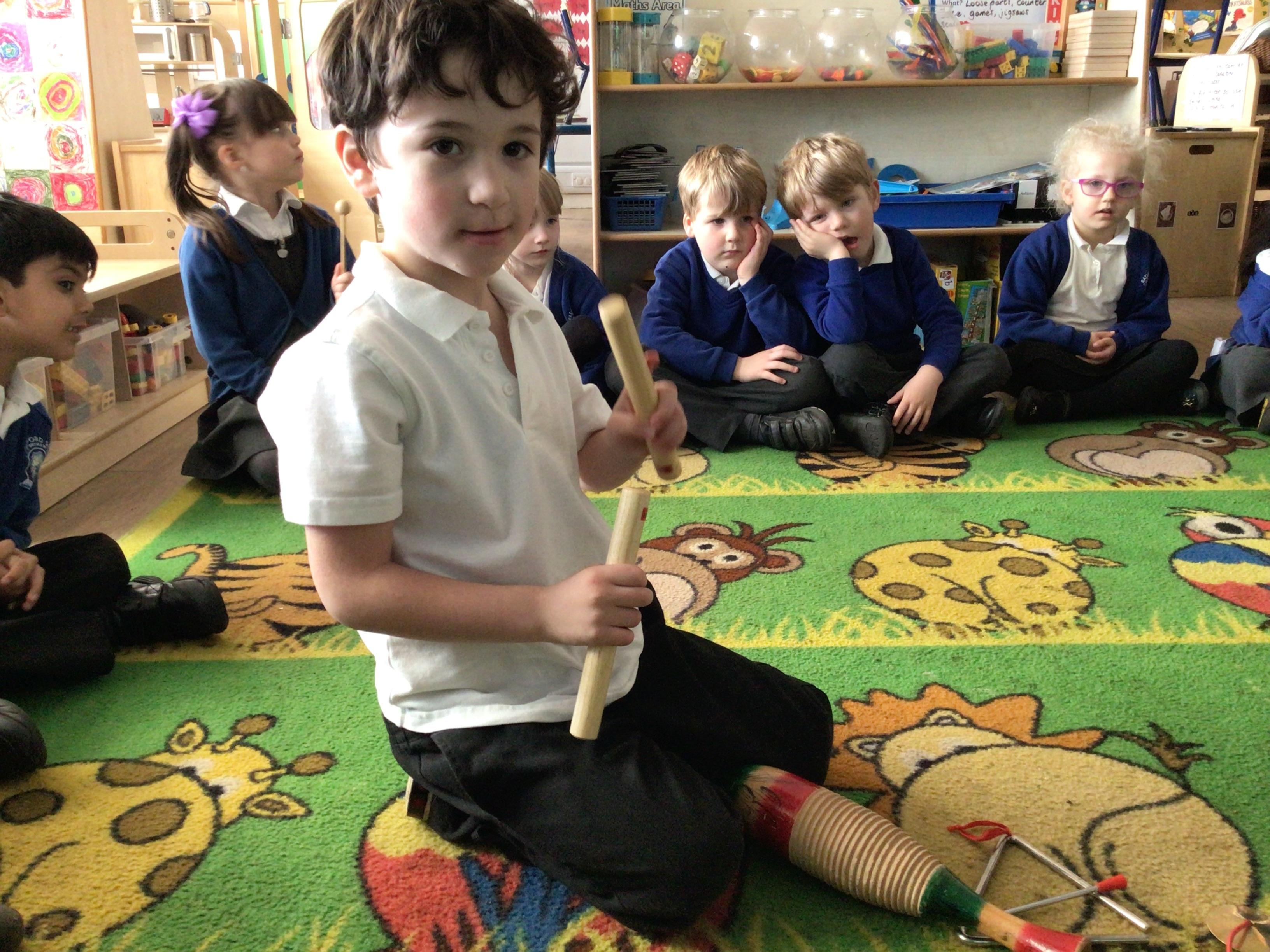
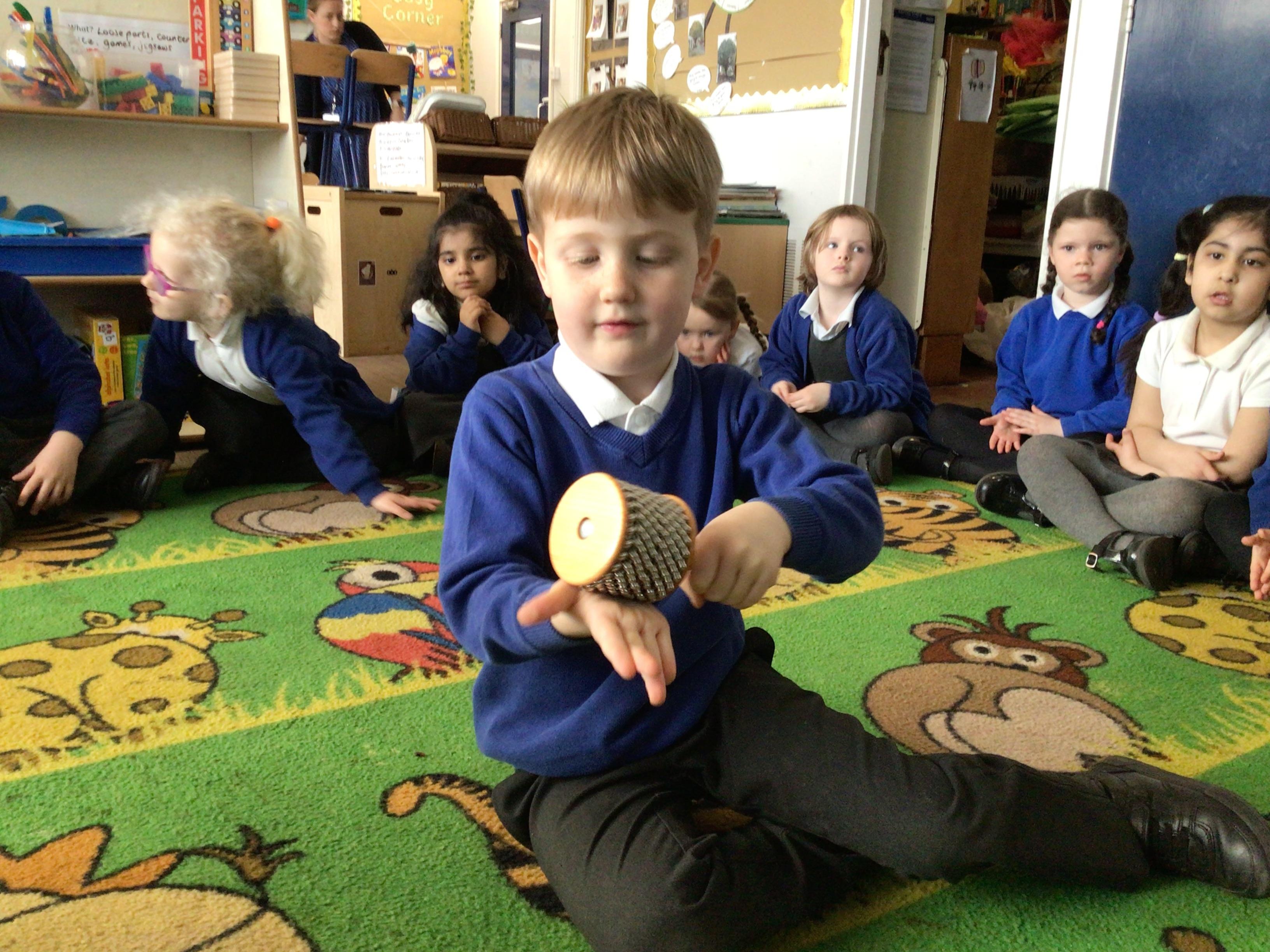
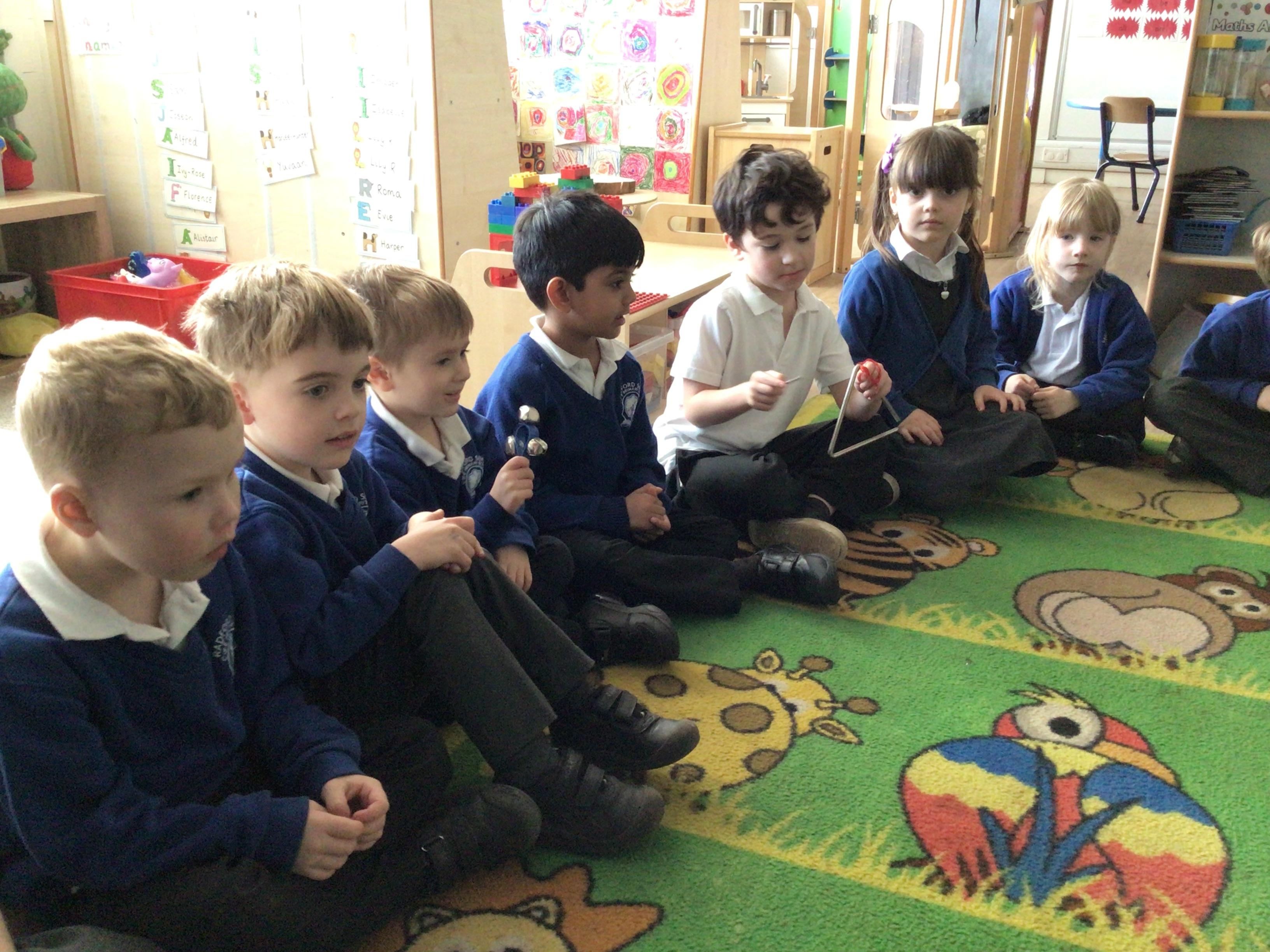
Children perform in our school concerts for the parents and carers. Children from Year 2 to Year 6 work with our music specialist, Mr Hudson.
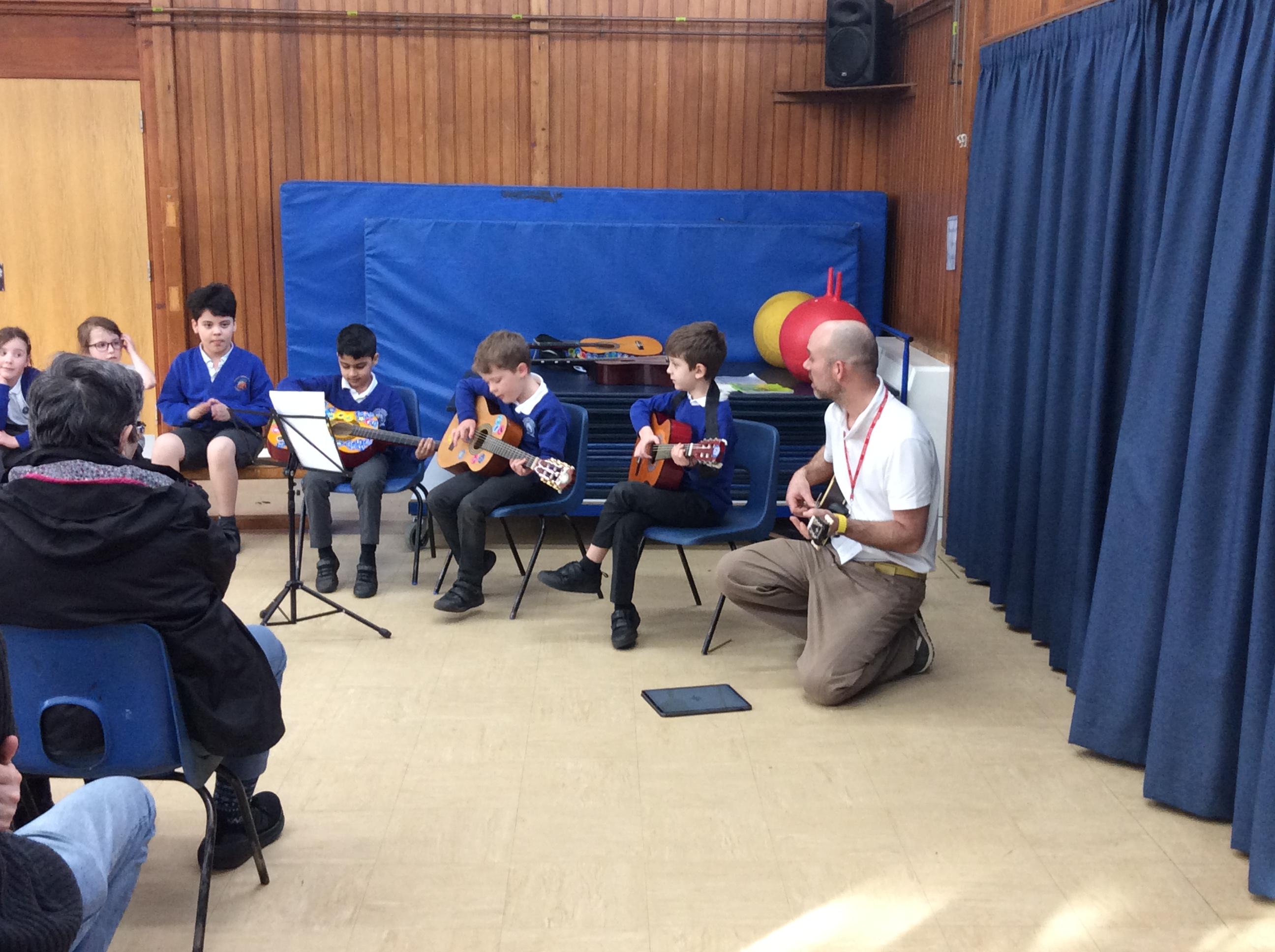
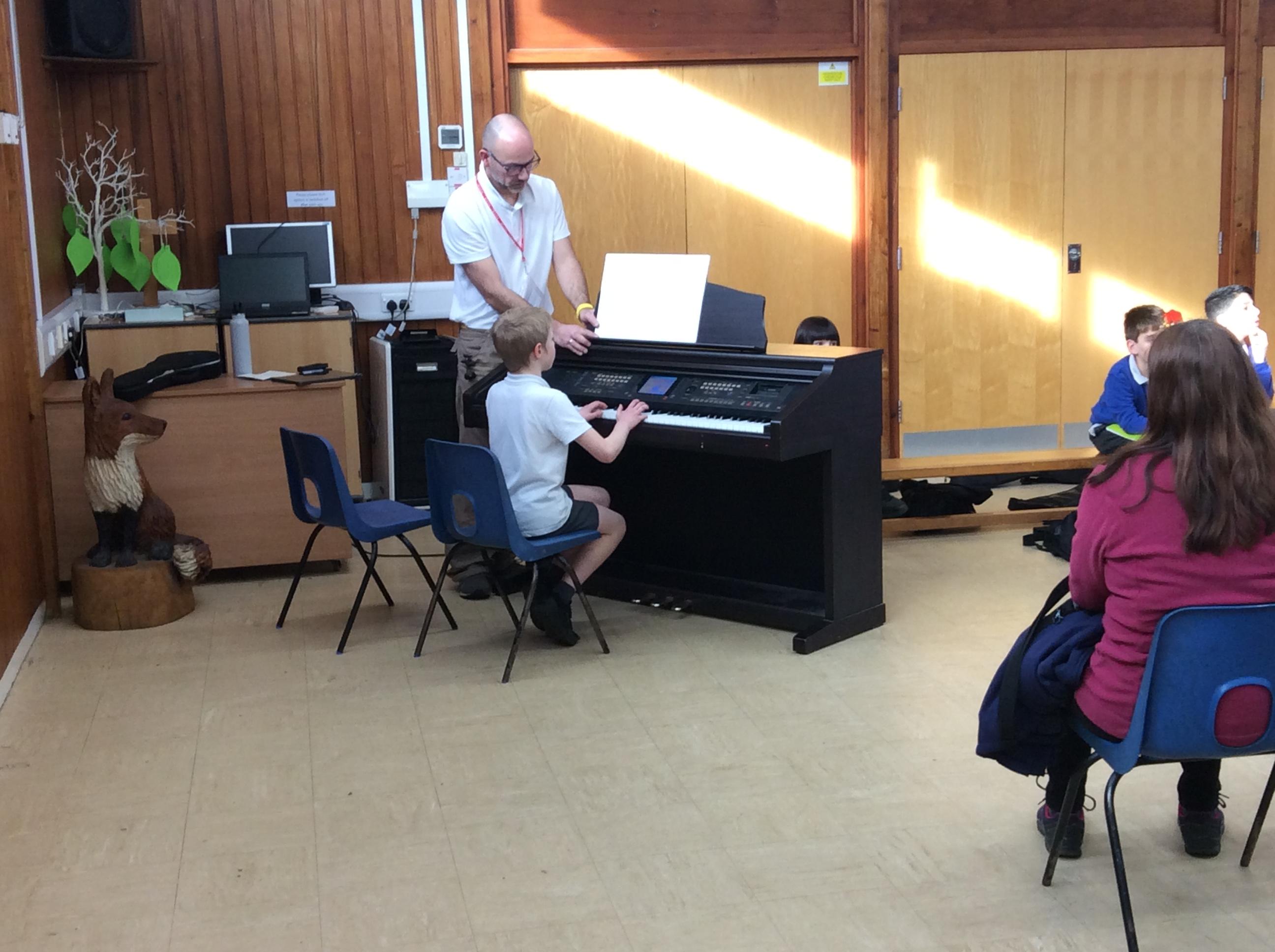
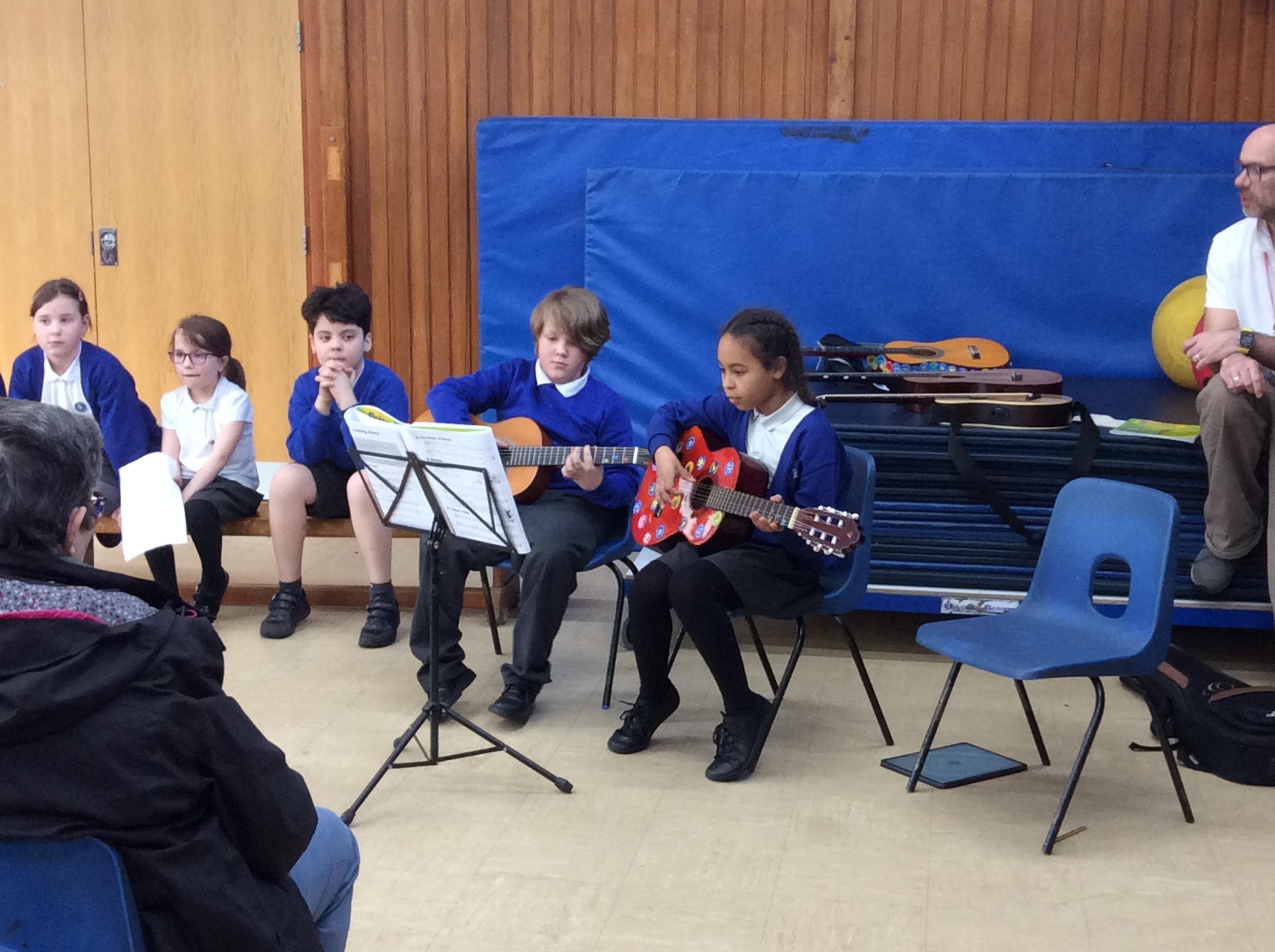
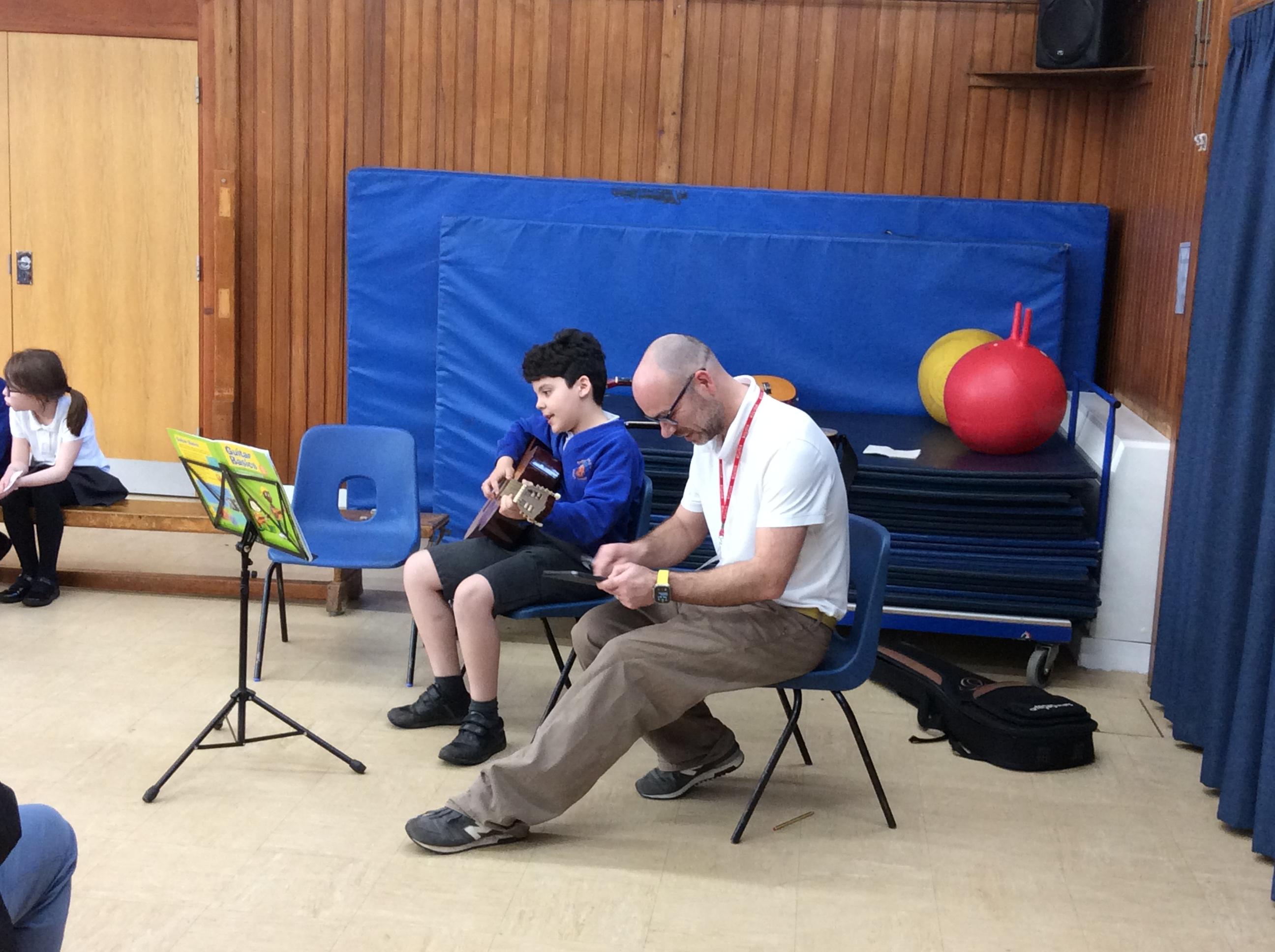
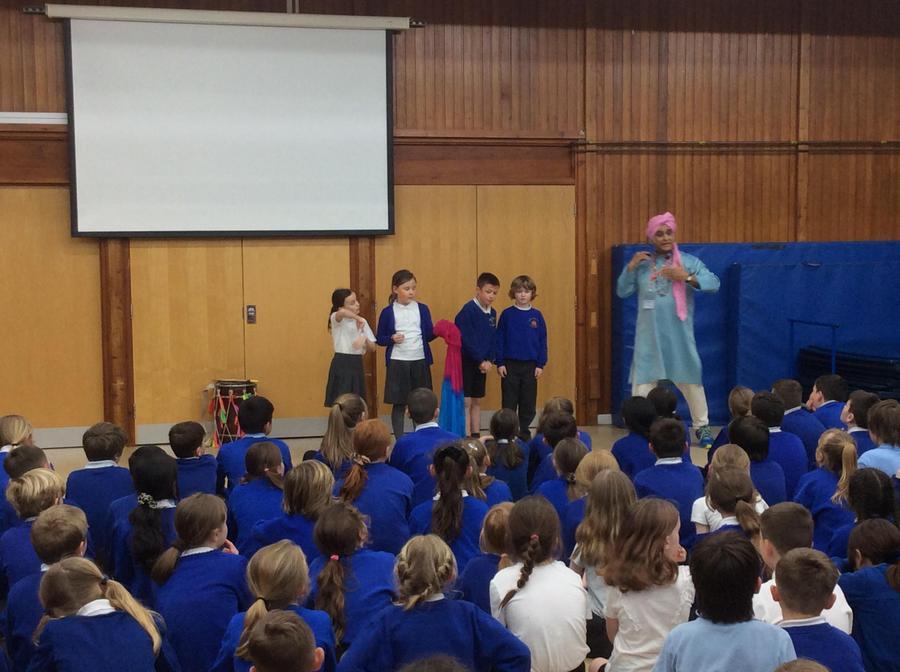
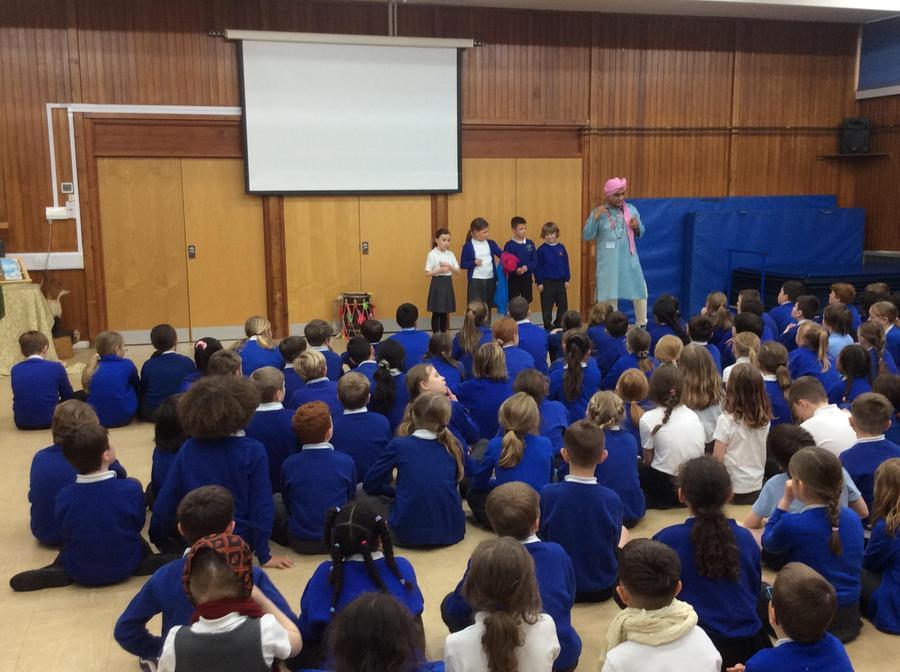
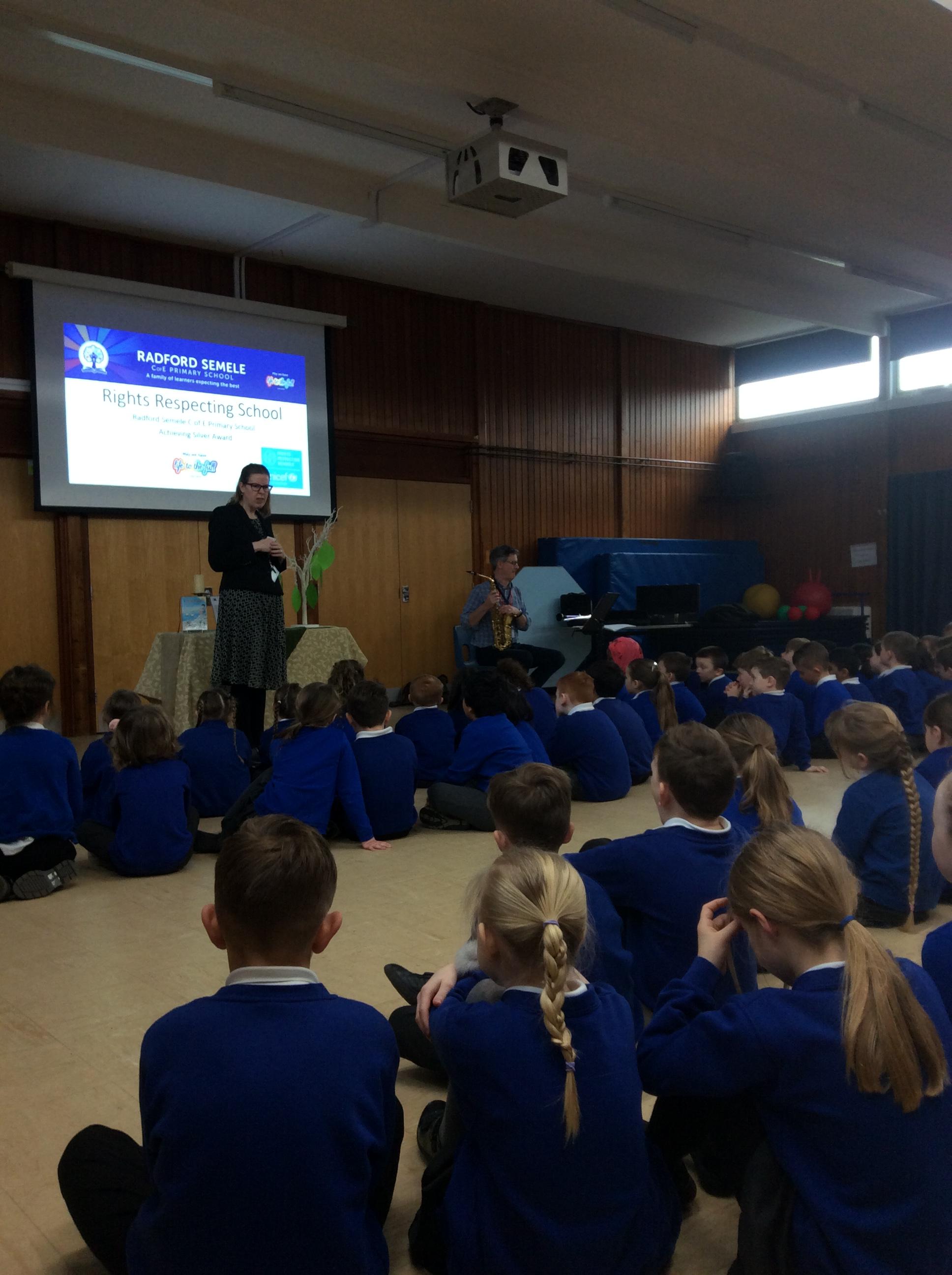
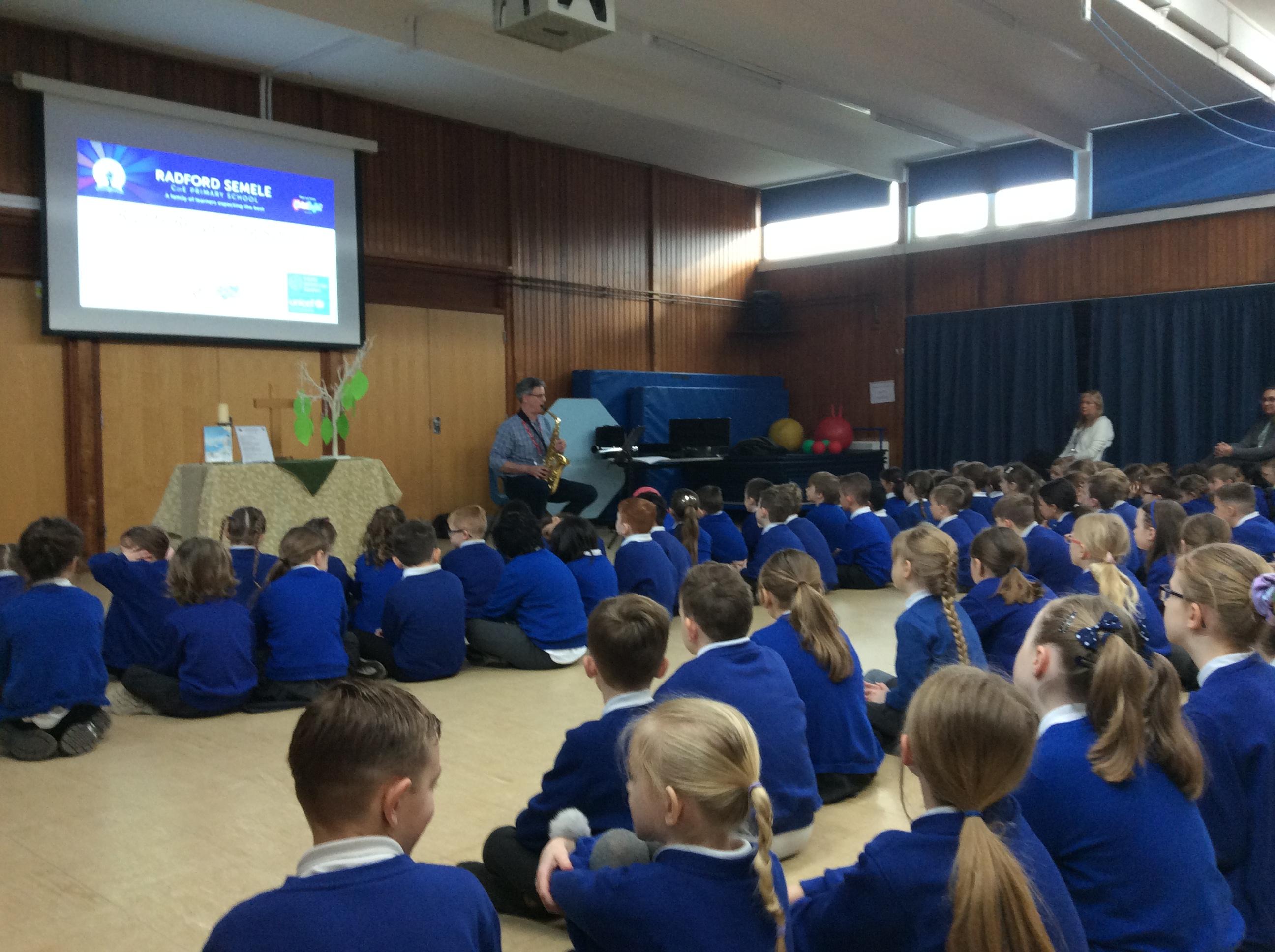
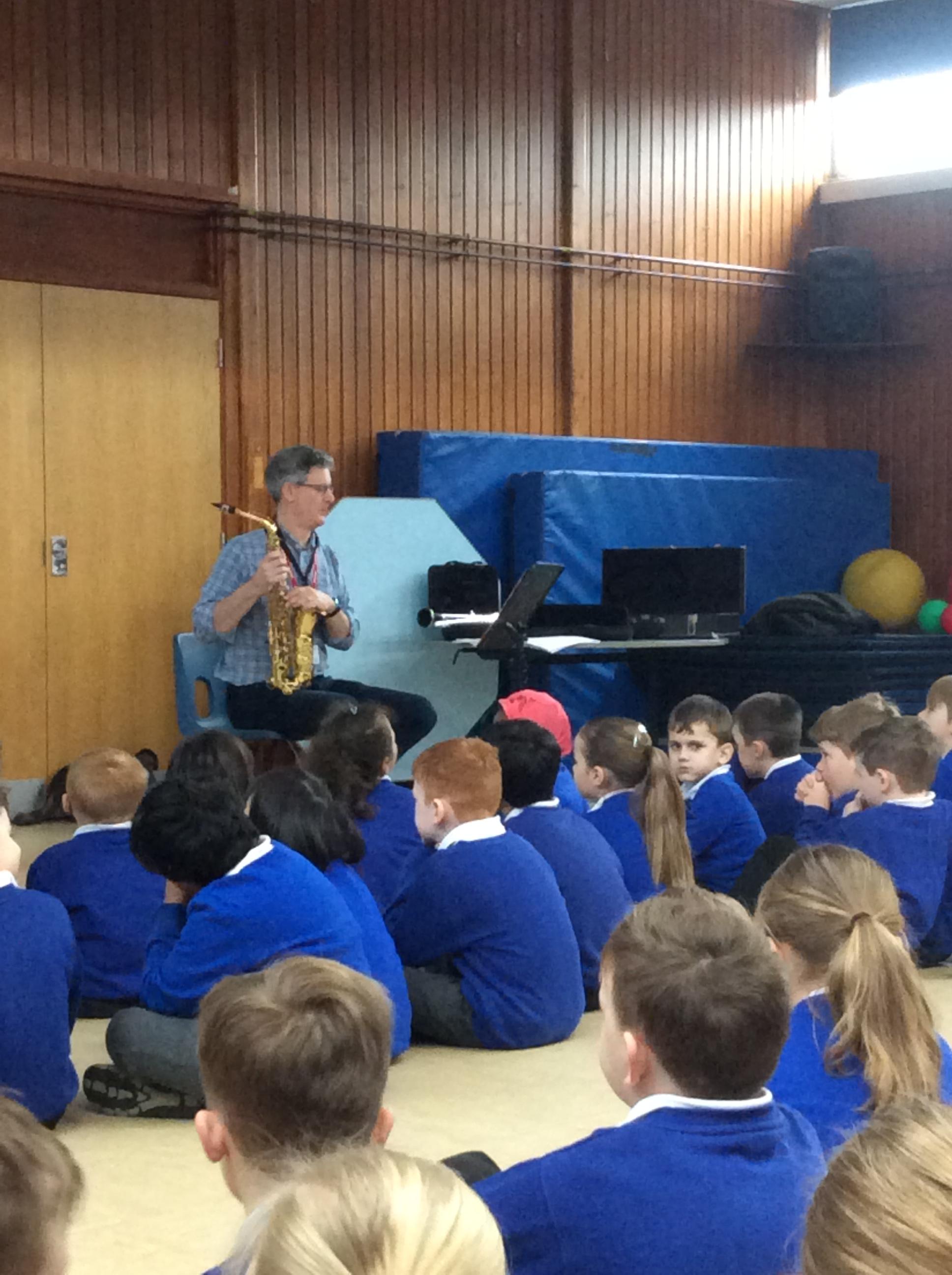
We are very lucky to have special Collective Worships with musical visitors who share many different instruments with the school. We learn about the science behind music and how sound is produced by the different instruments.
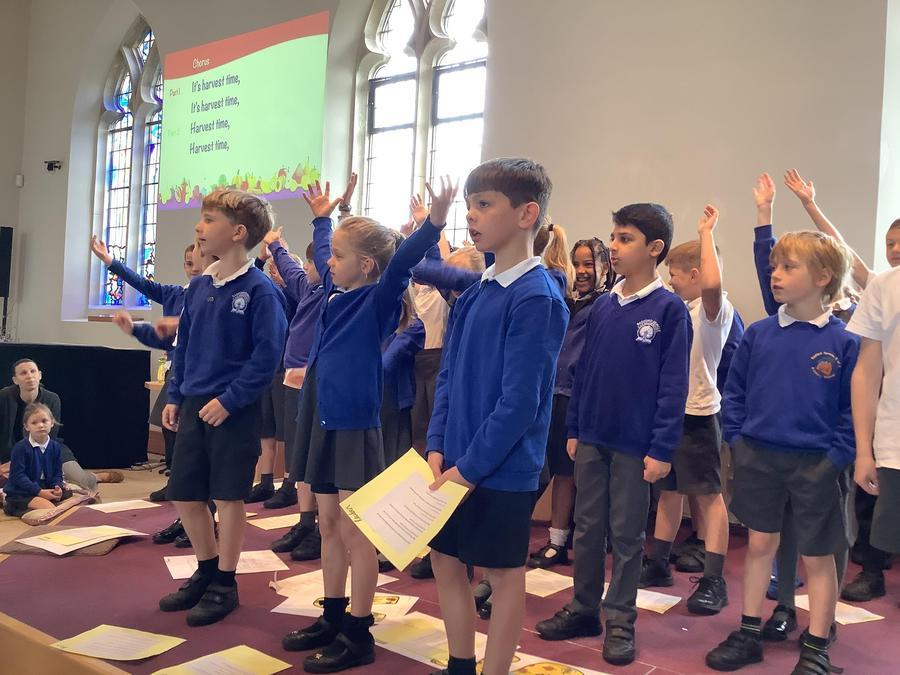
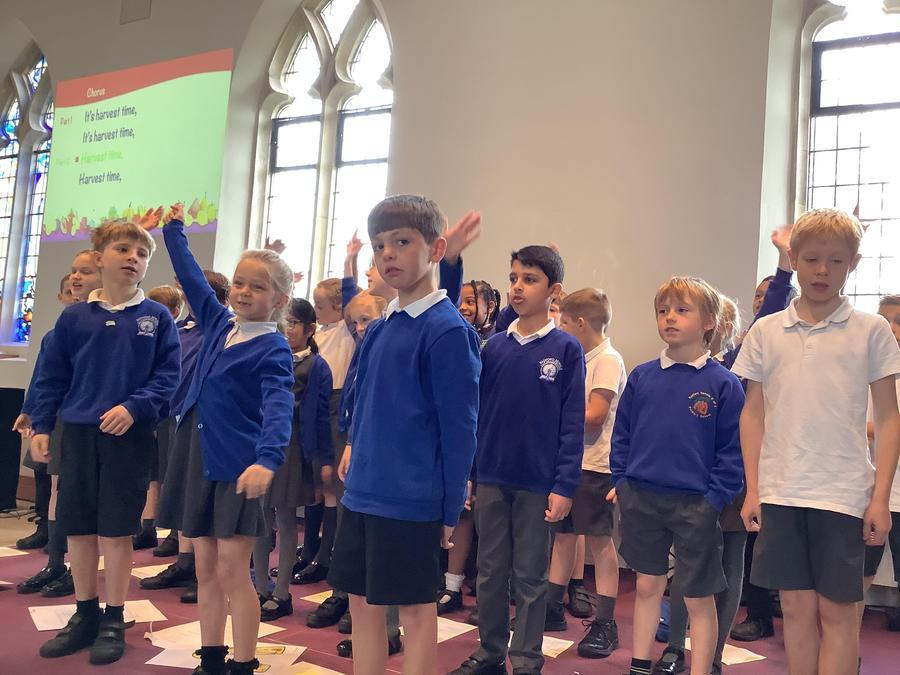
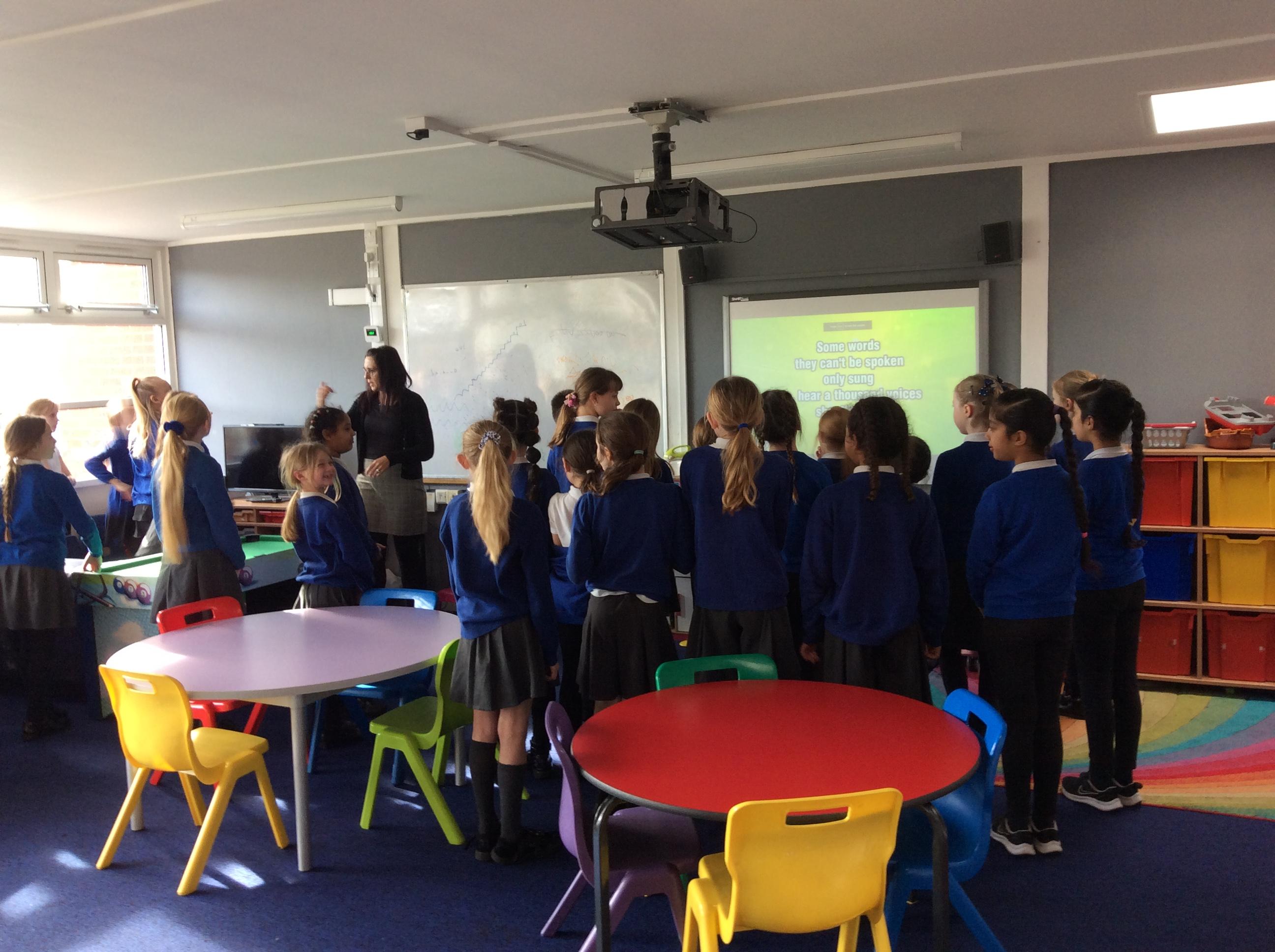
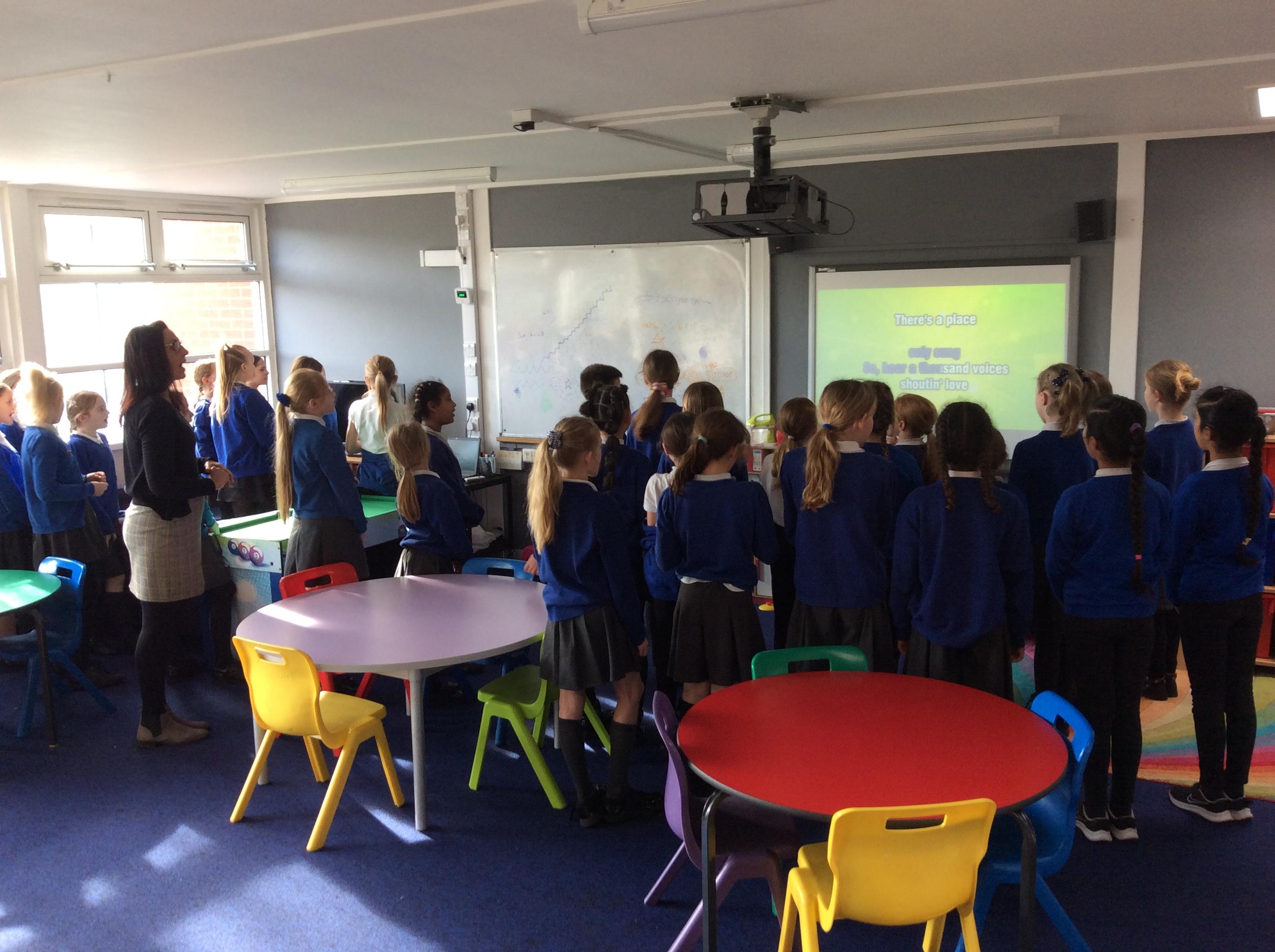
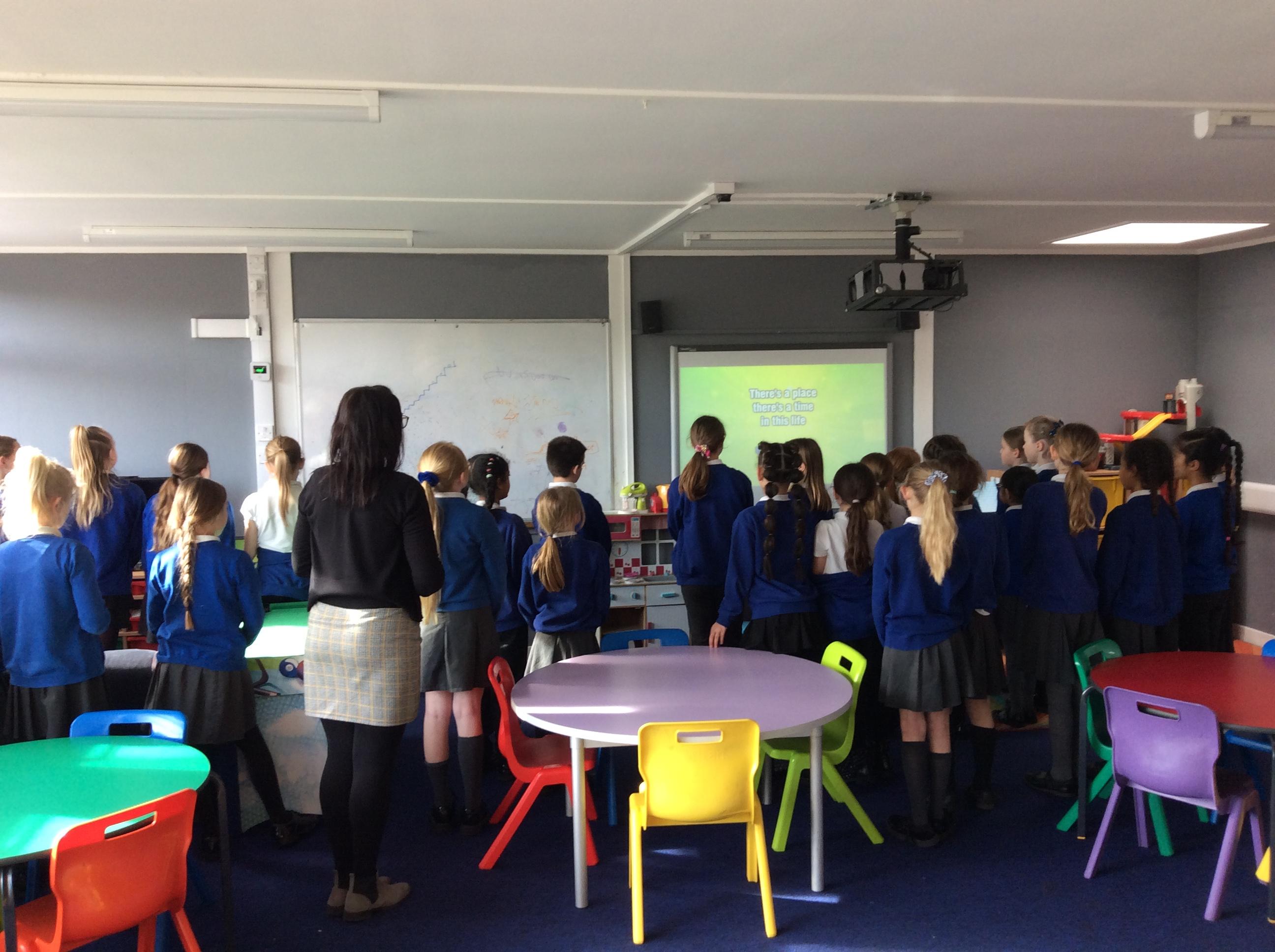
Our fabulous school choir rehearses every week, practising a new song each week to share with the whole school in our Celebration of Achievement assemblies. It is always such a treat to hear their beautiful arrangements of popular songs including; Space Man, Cover Me in Sunshine, Roar and Hold Back the River. Thank you to Mrs Reynolds who works incredibly hard and gives up her time to support our wonderful choir.
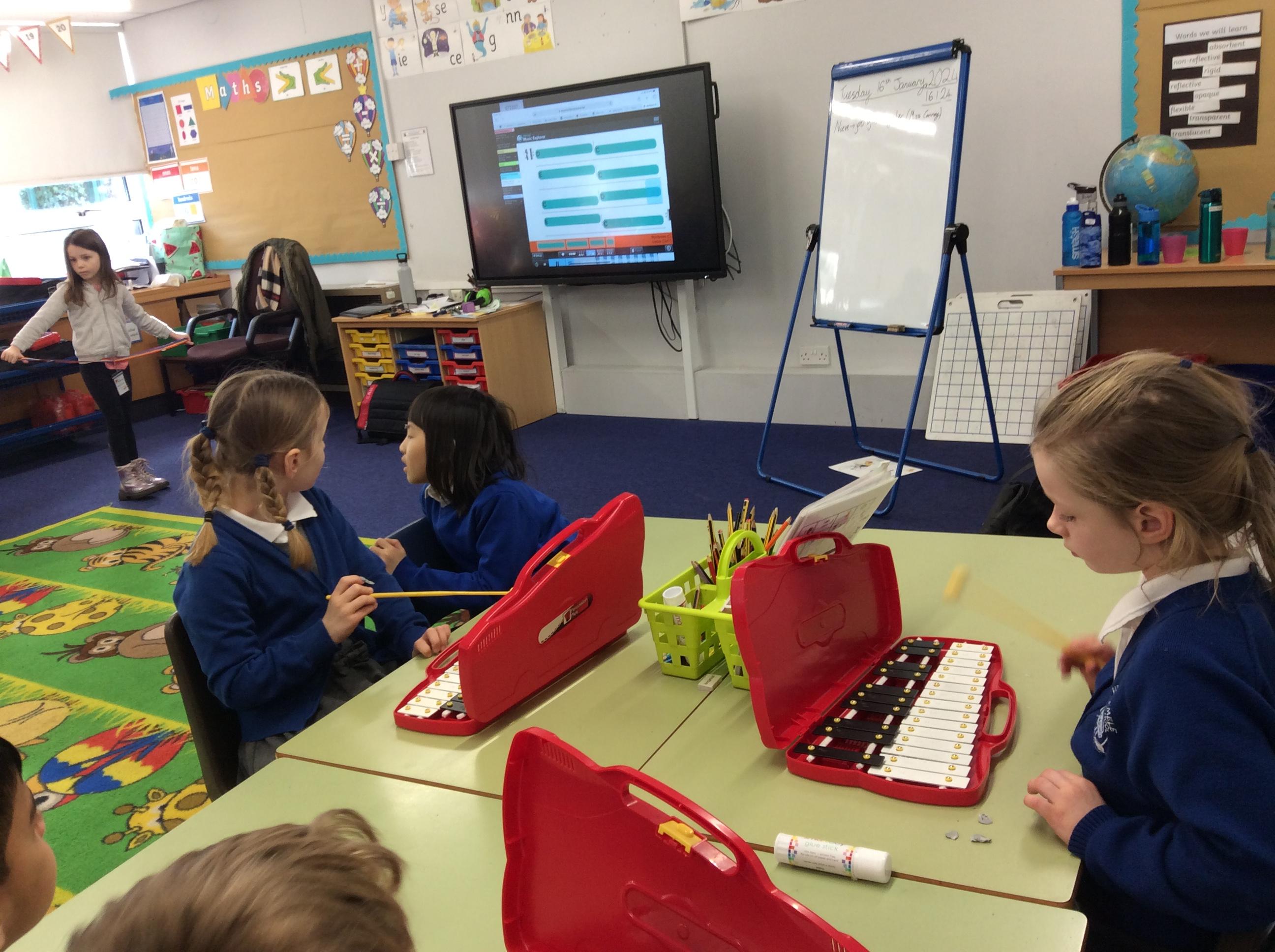
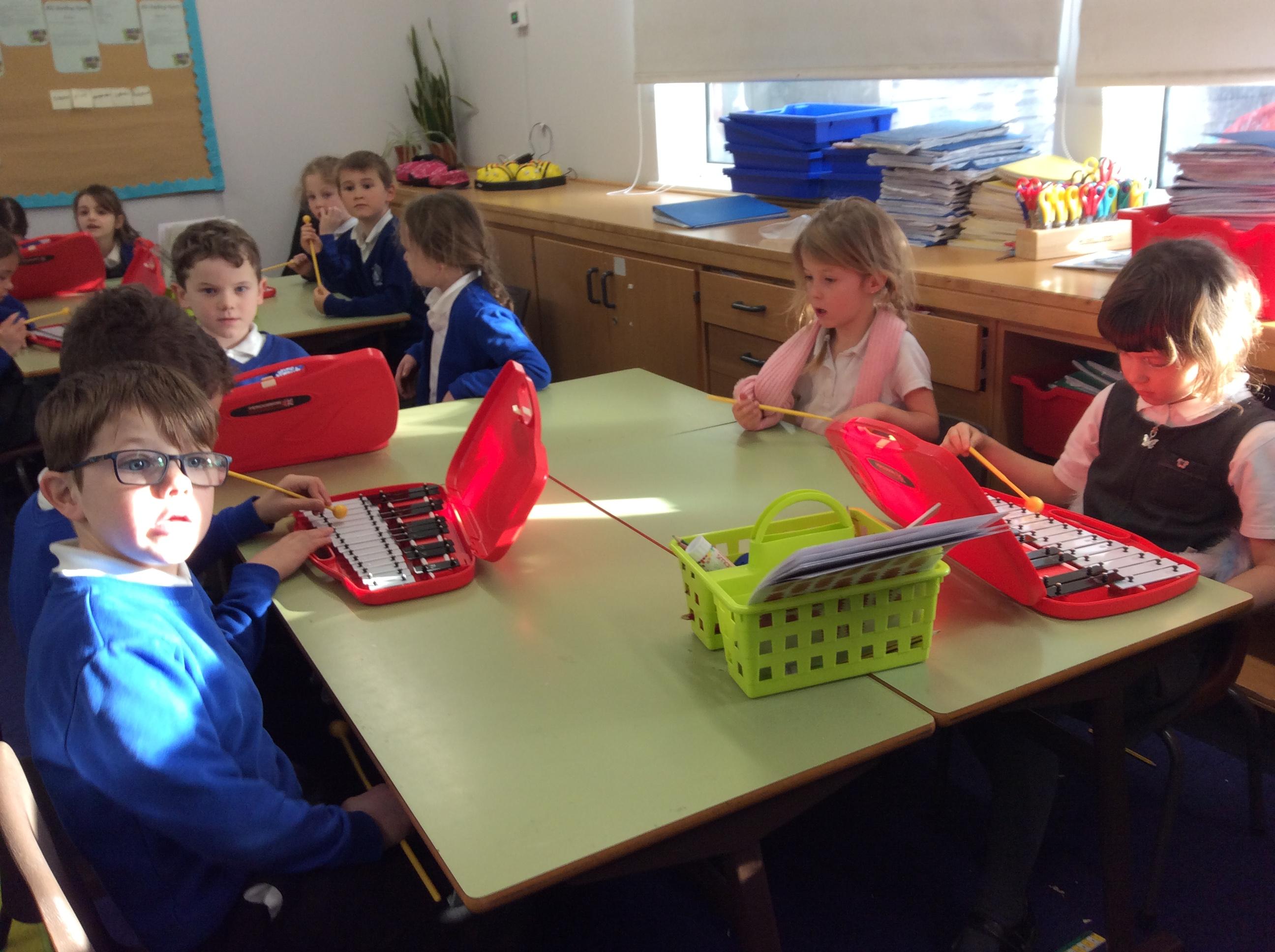
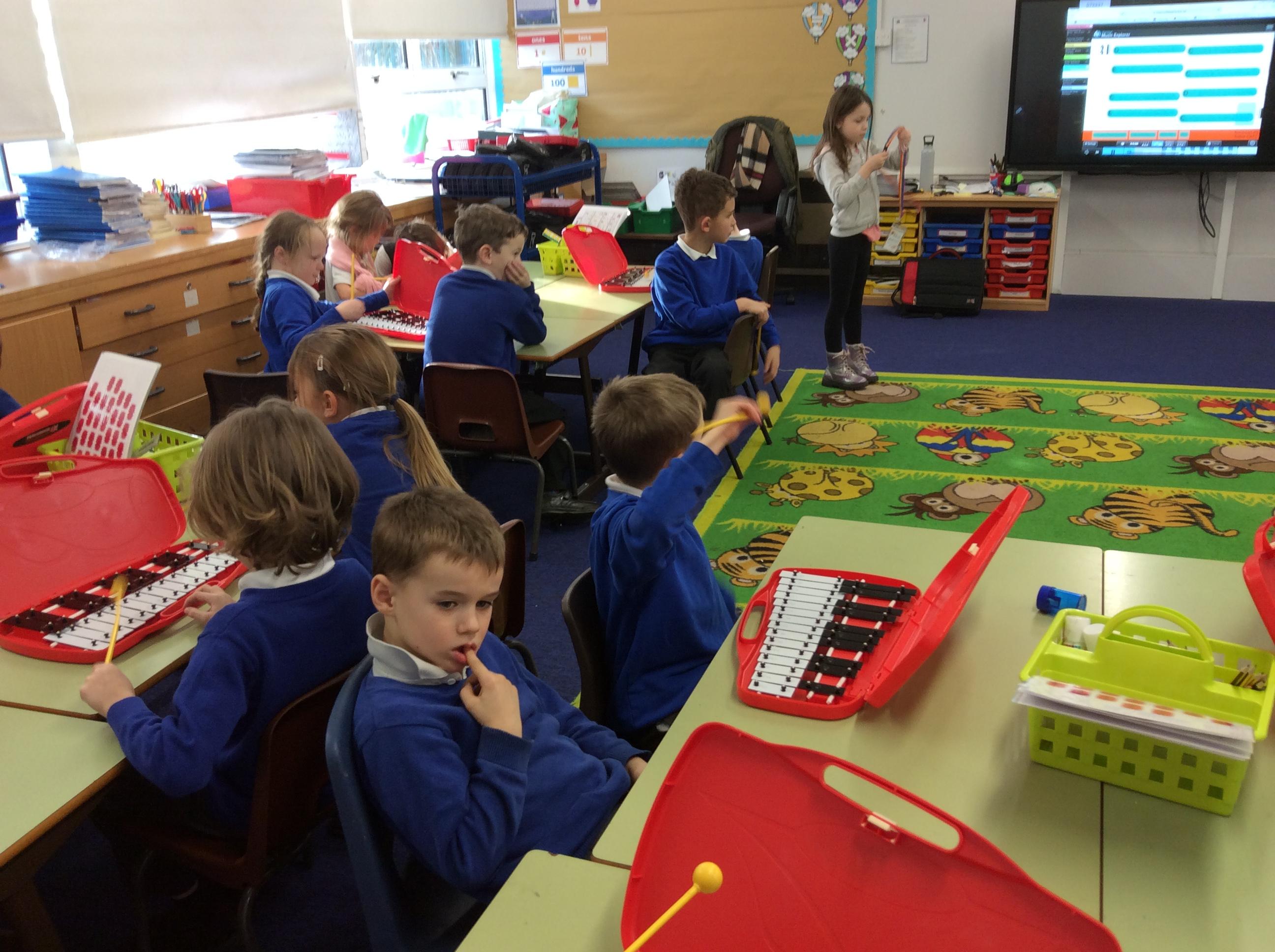
Year 2 works collaboratively on their instrument skills during masterclass with music specialist Mr Hudson.
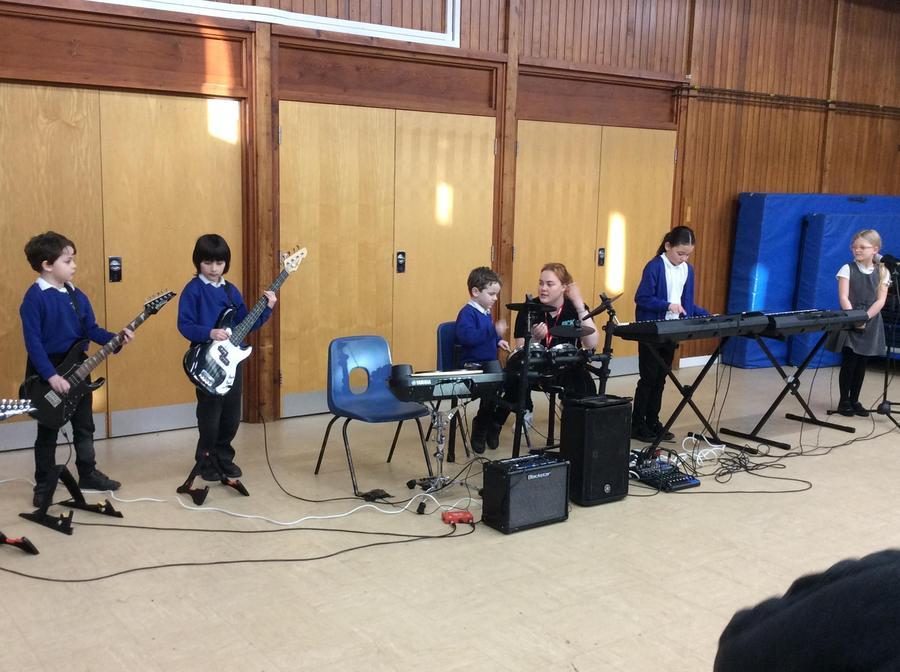
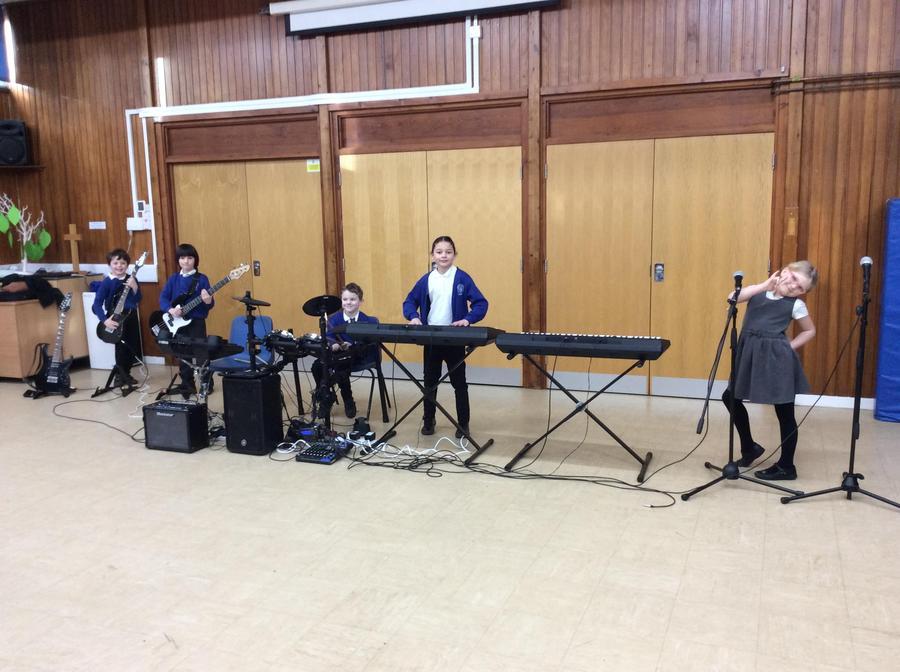
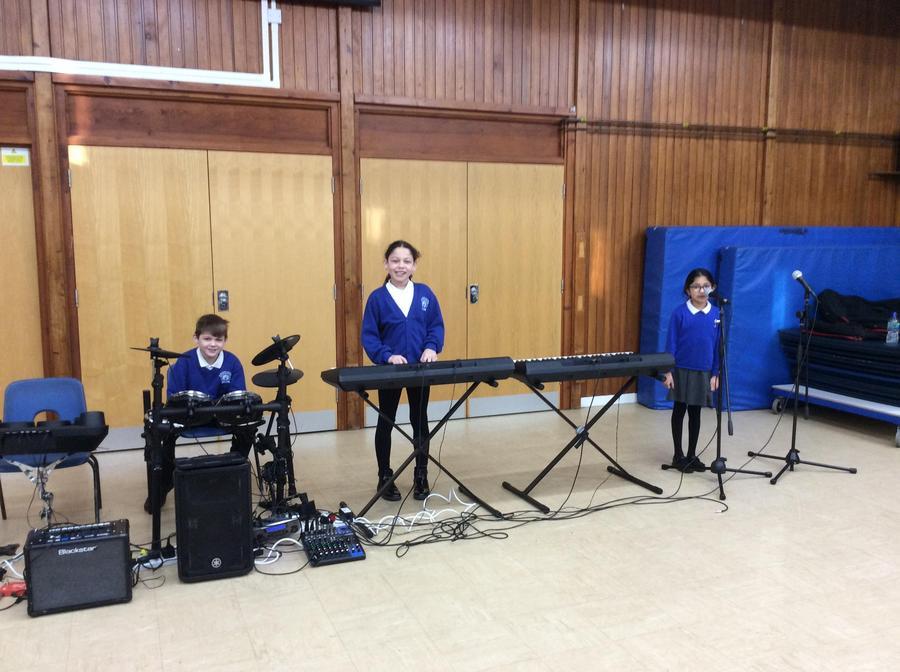
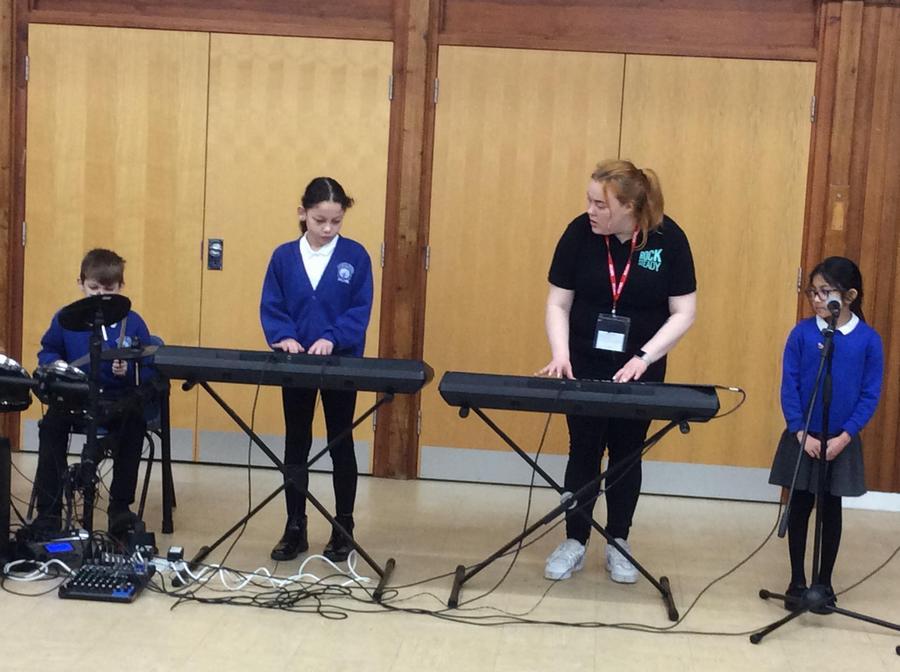
Children perform so brilliantly during their Rocksteady concerts.
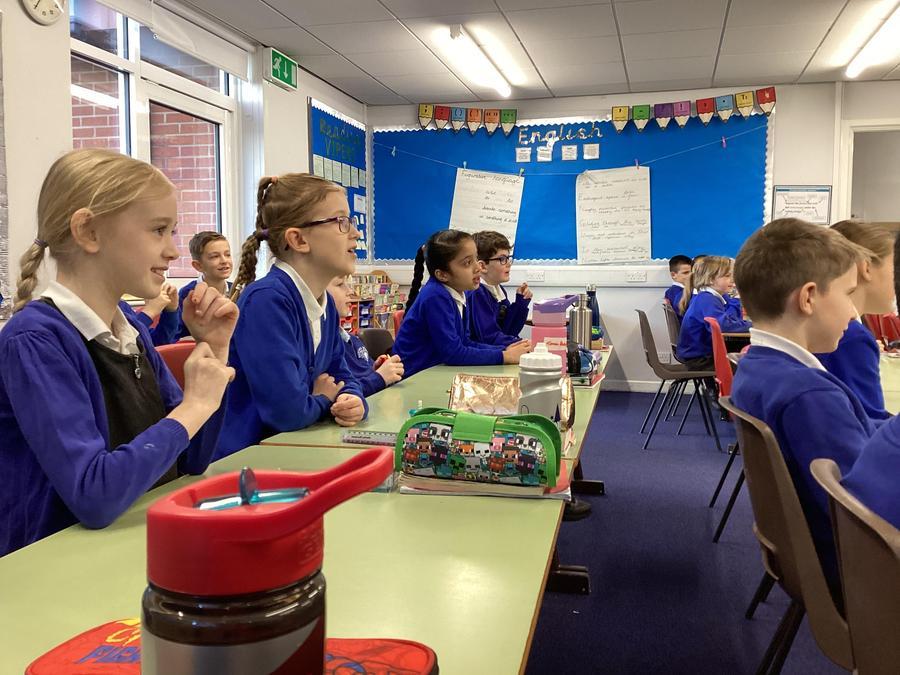
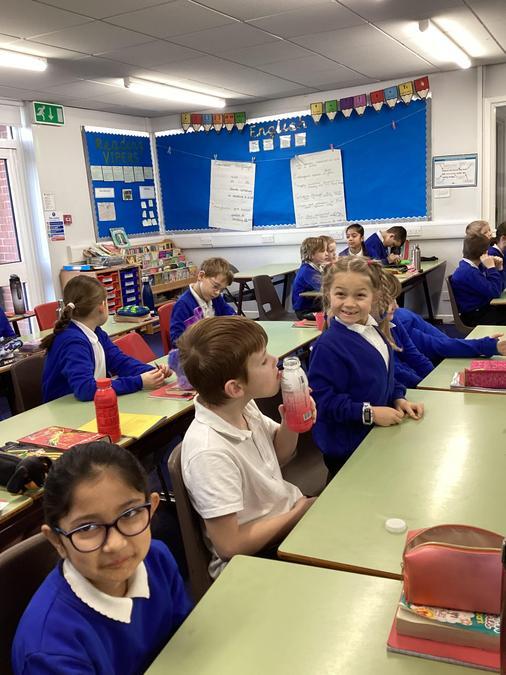
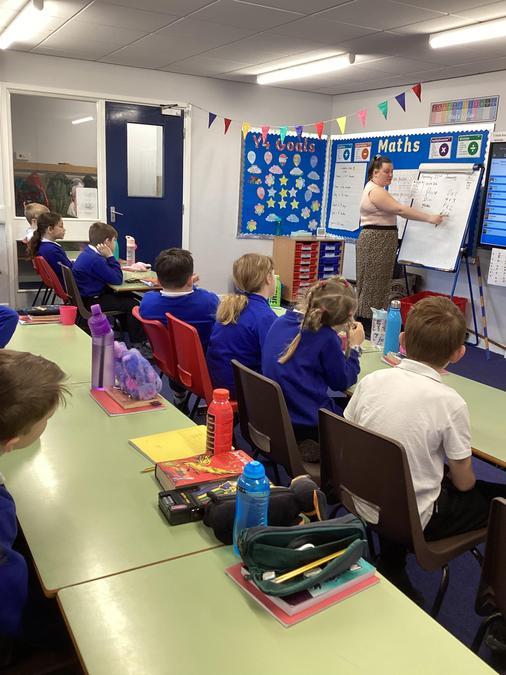
Year 4 have been extremely lucky to work with Hannah from Warwickshire Sings every fortnight for the whole year! We learnt how to use our voices correctly as instruments, staff notation and lots of fun, vocal exercises.
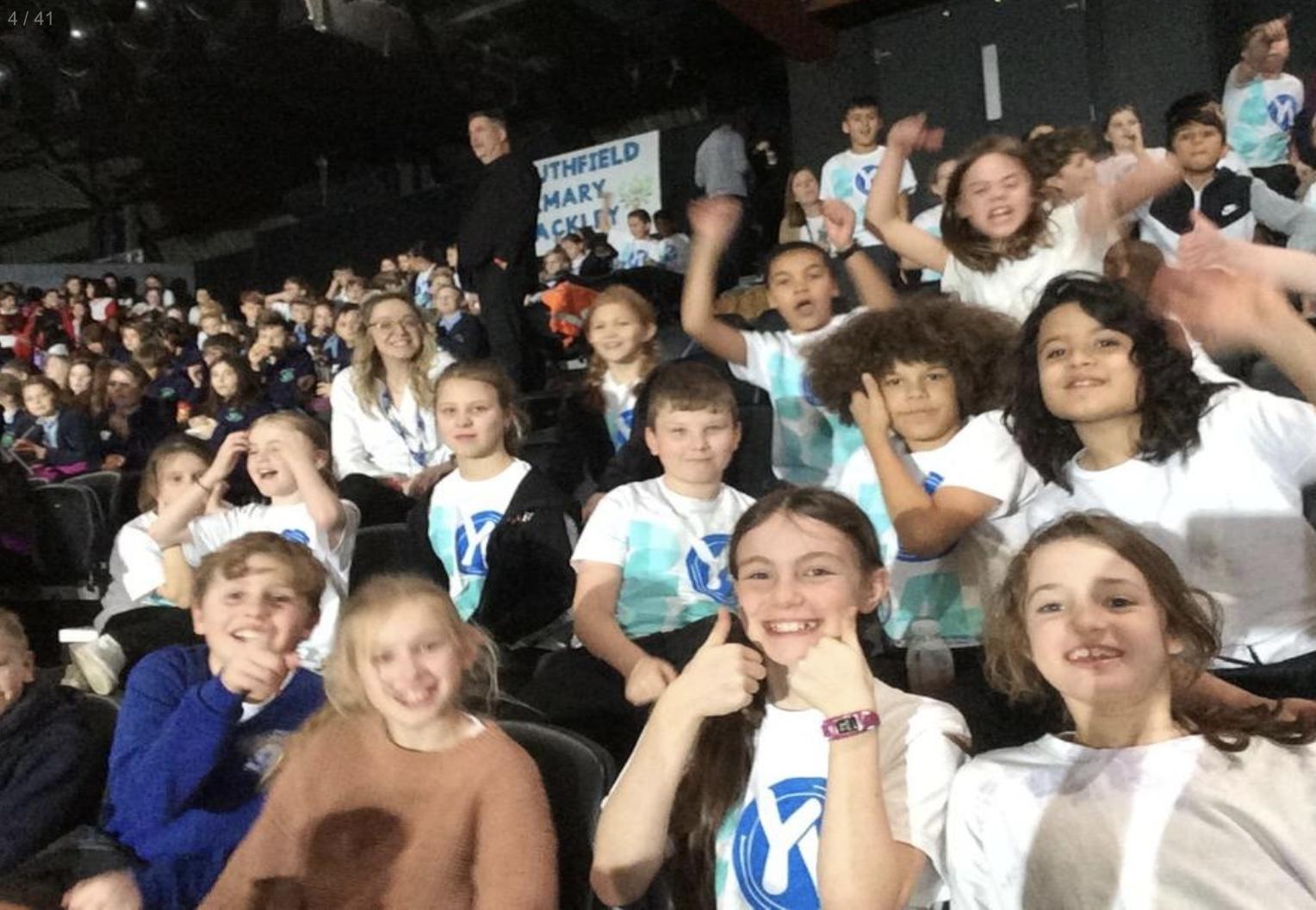
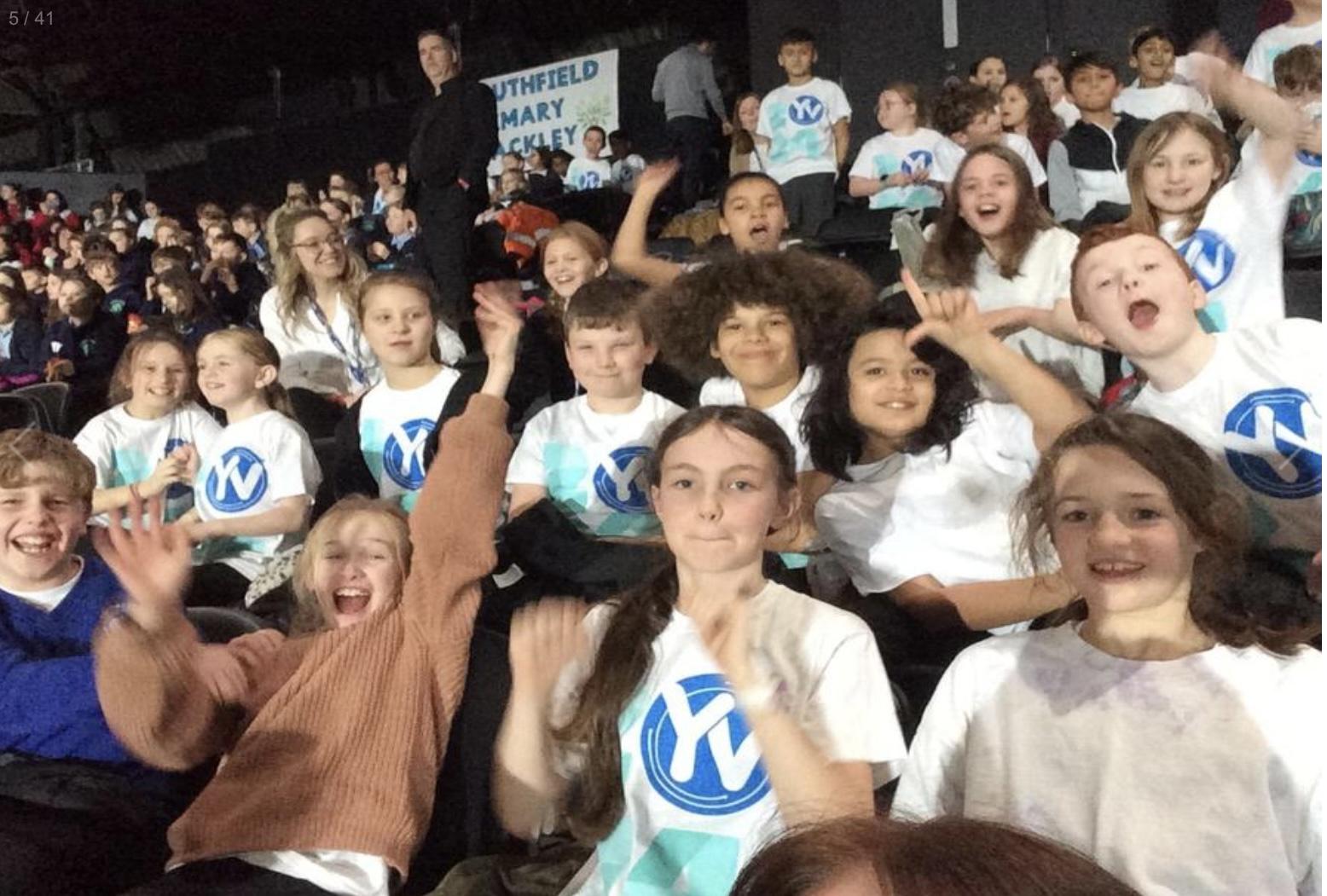
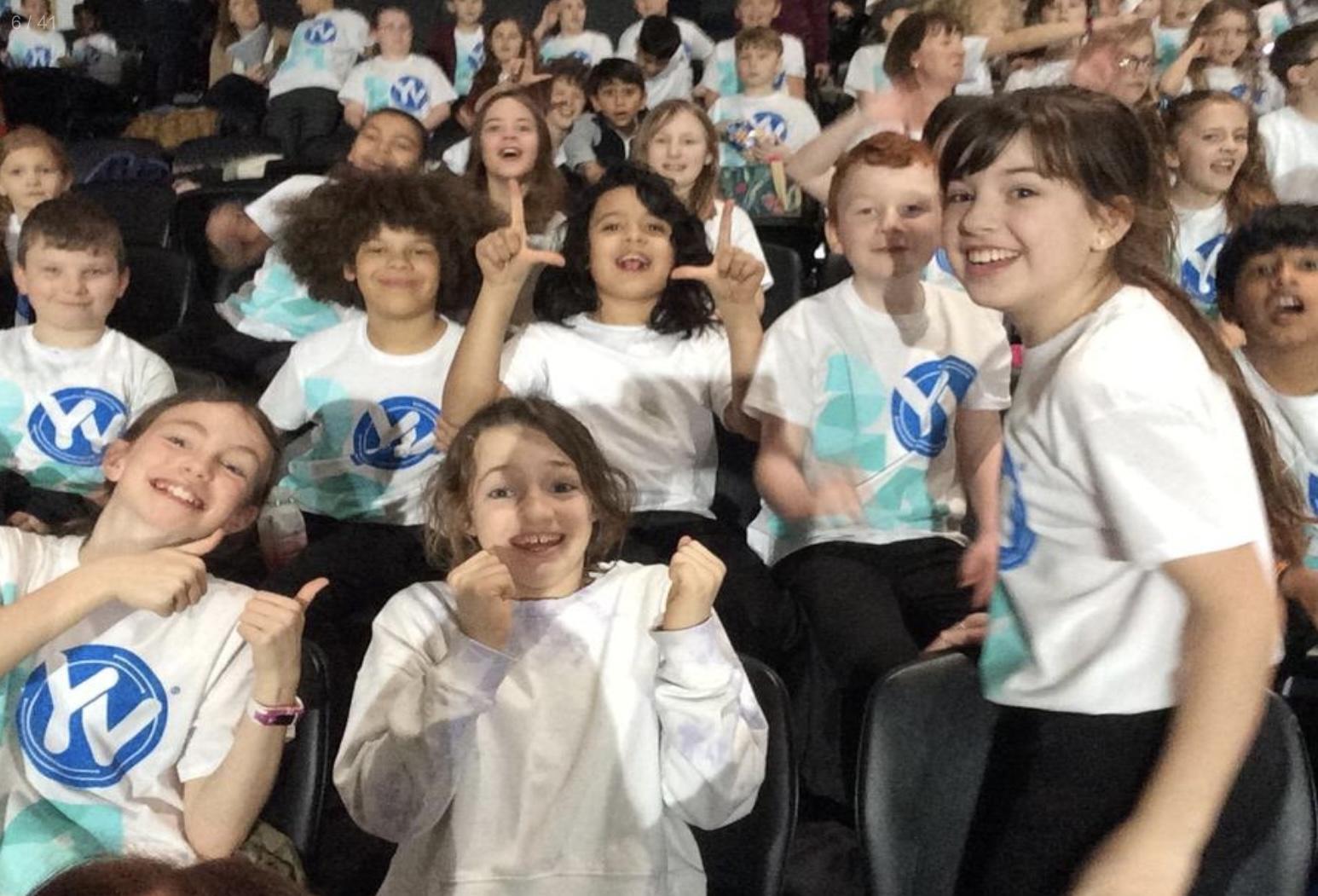
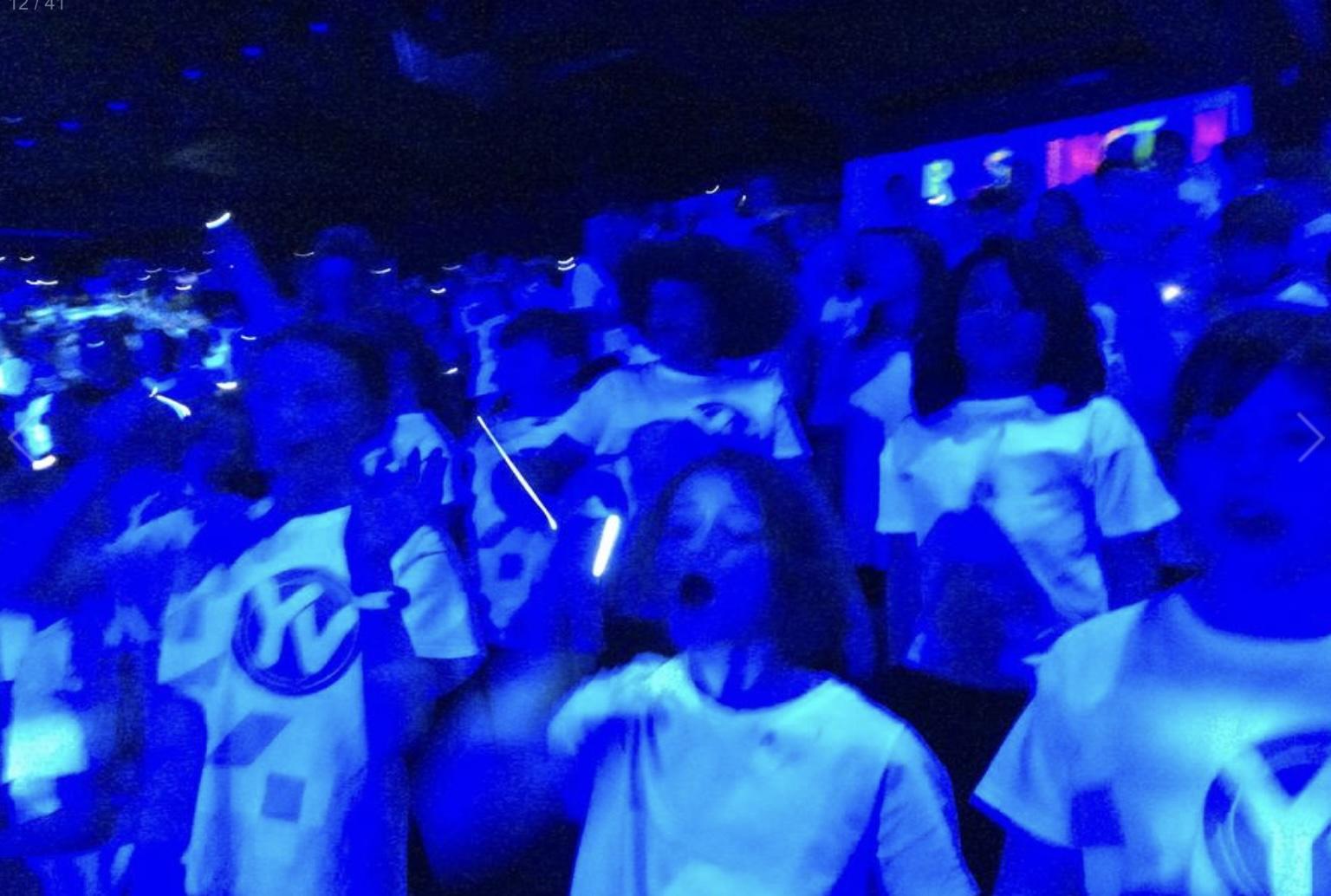
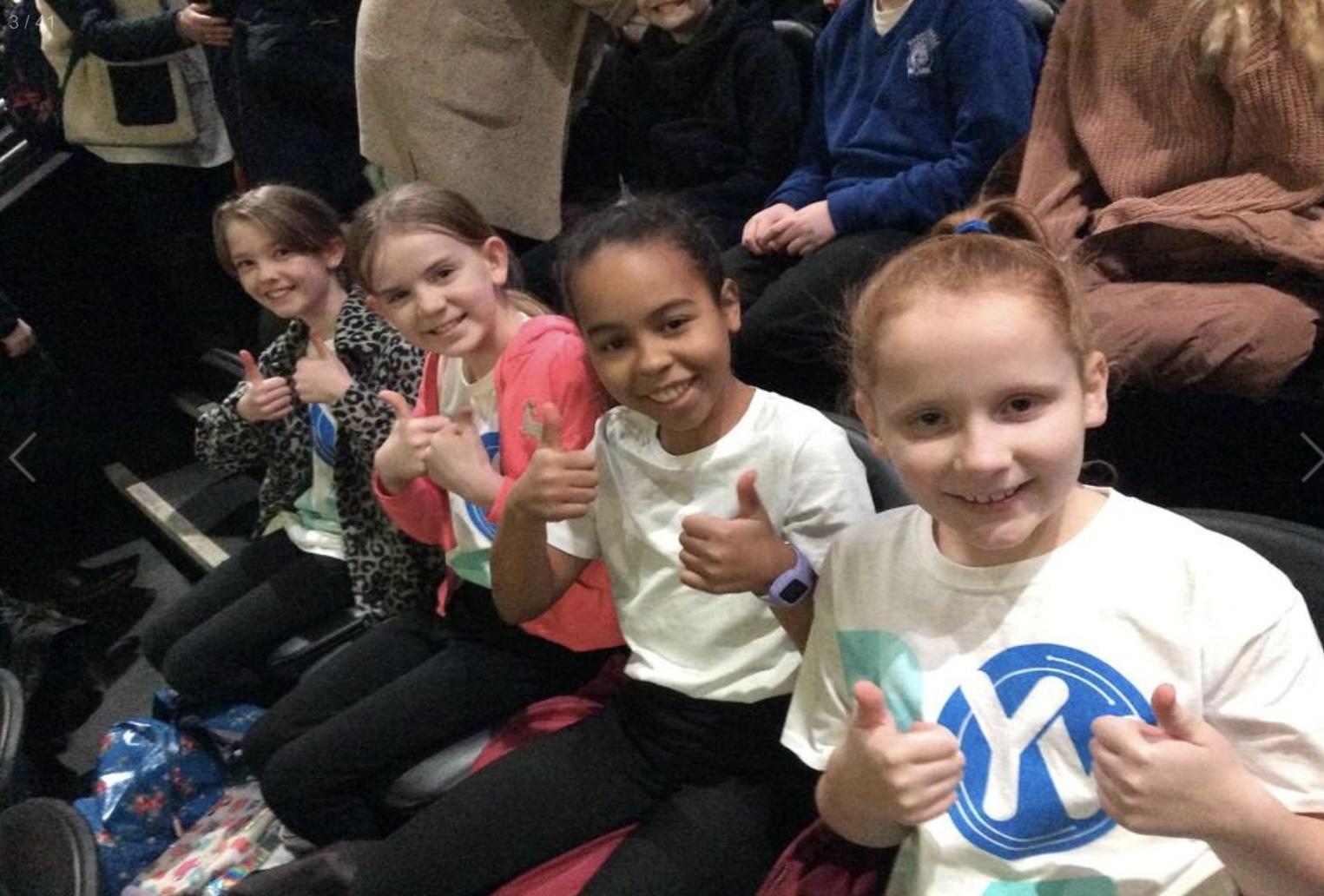
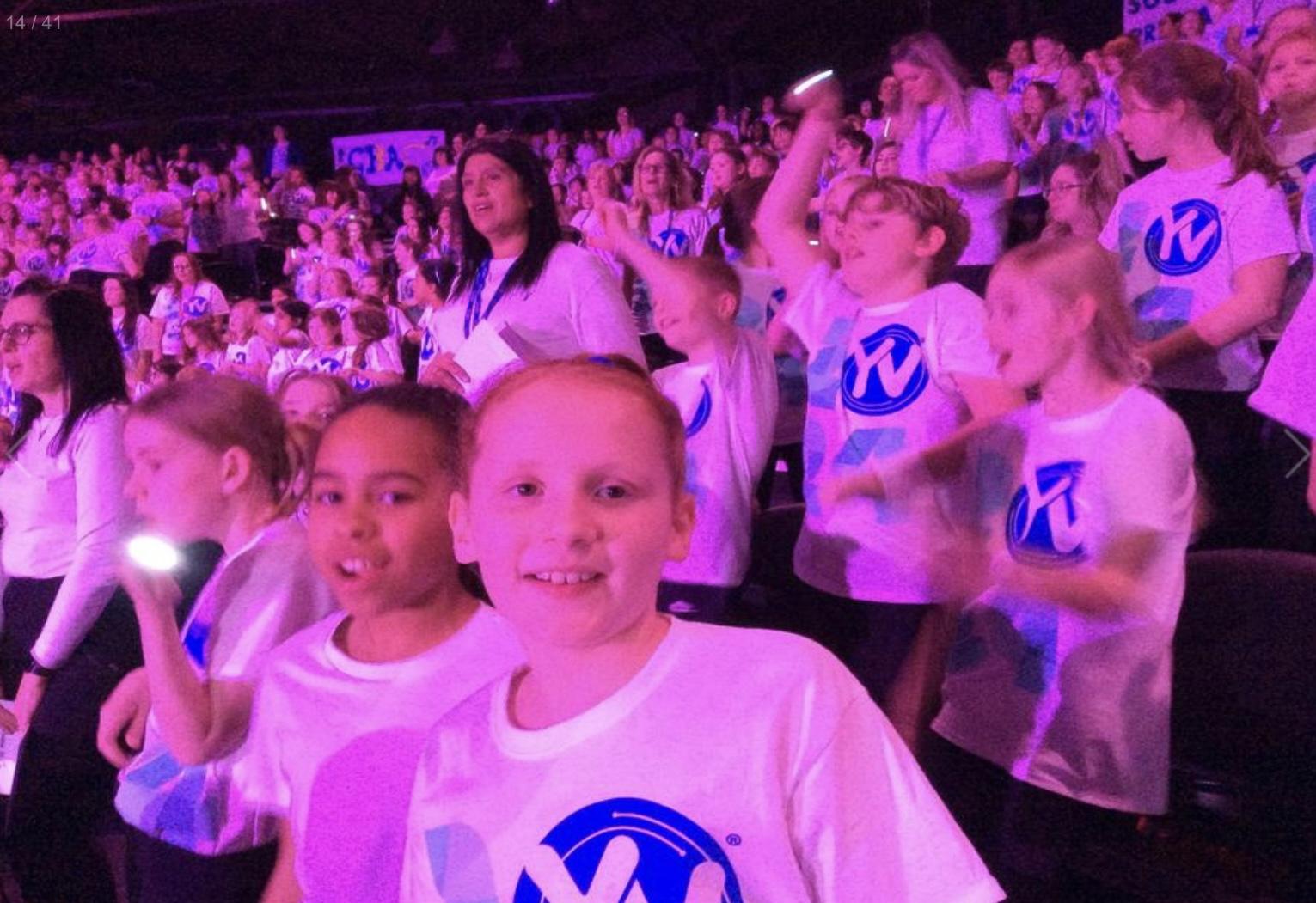
Year 5 and the school choir have a fabulous time performing at Young Voices each year at Resorts World Arena in Birmingham. An AMAZING opportunity!
Music specialist Mr Hudson works with children on their ukulele skills.
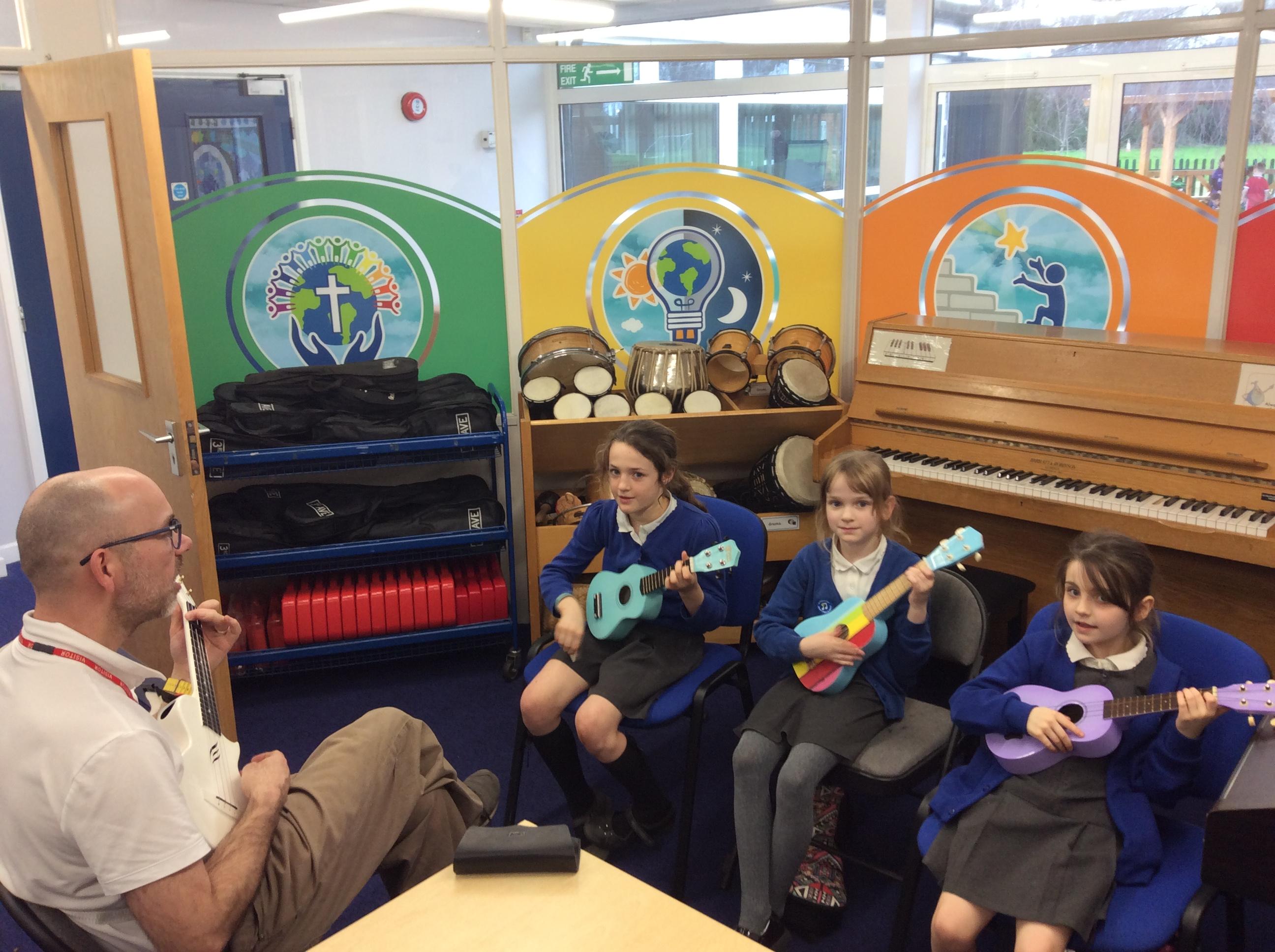
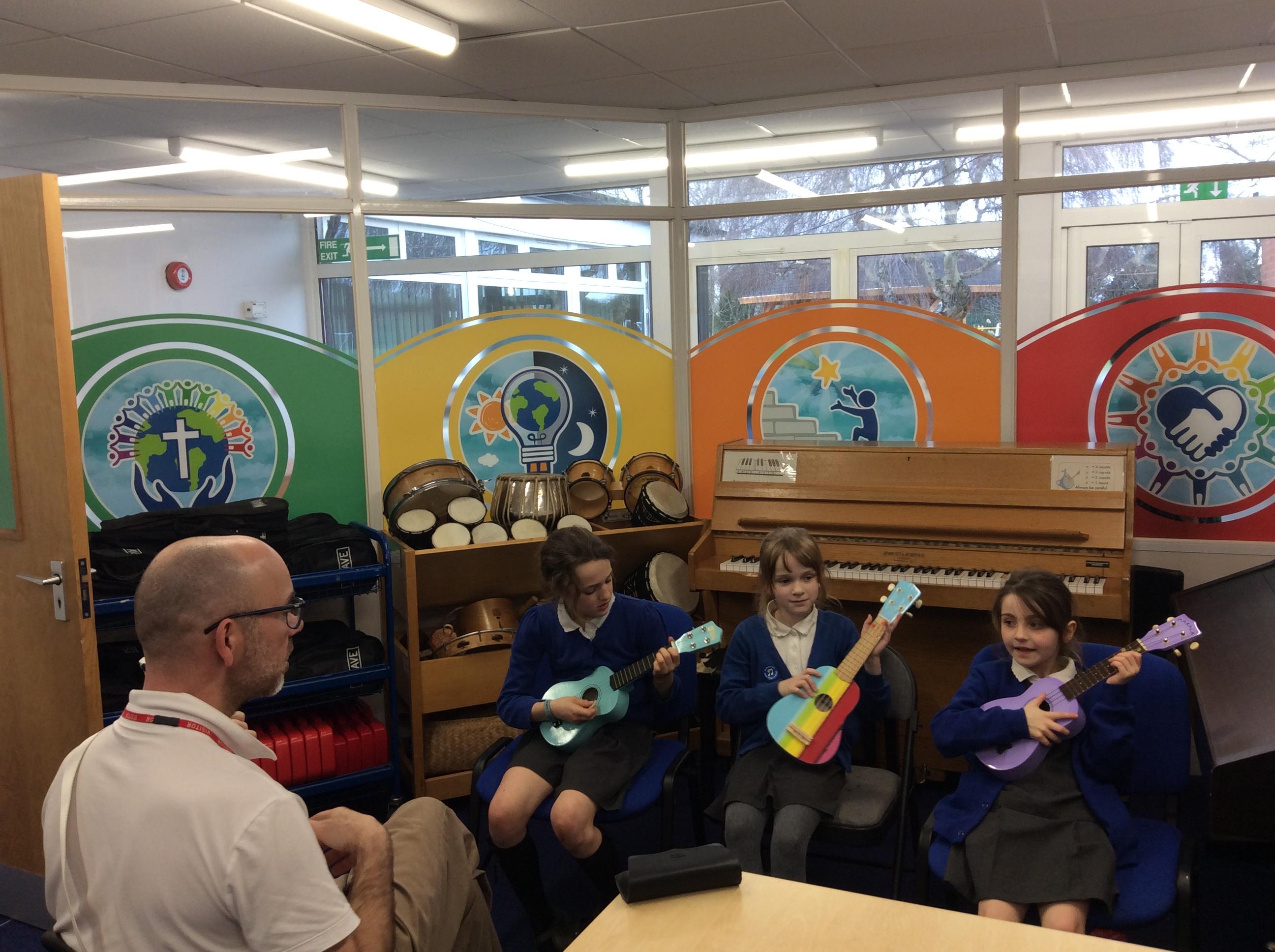
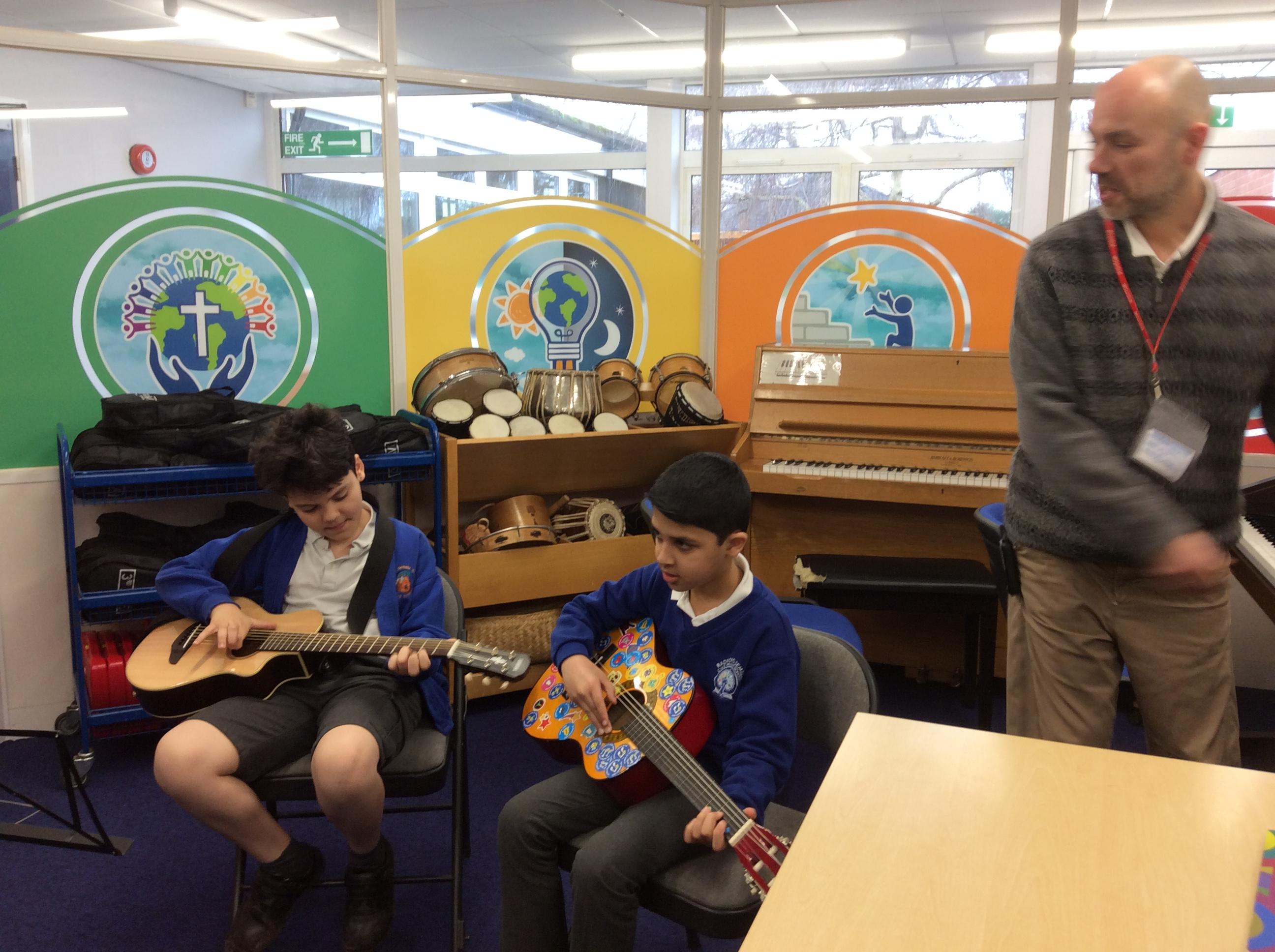
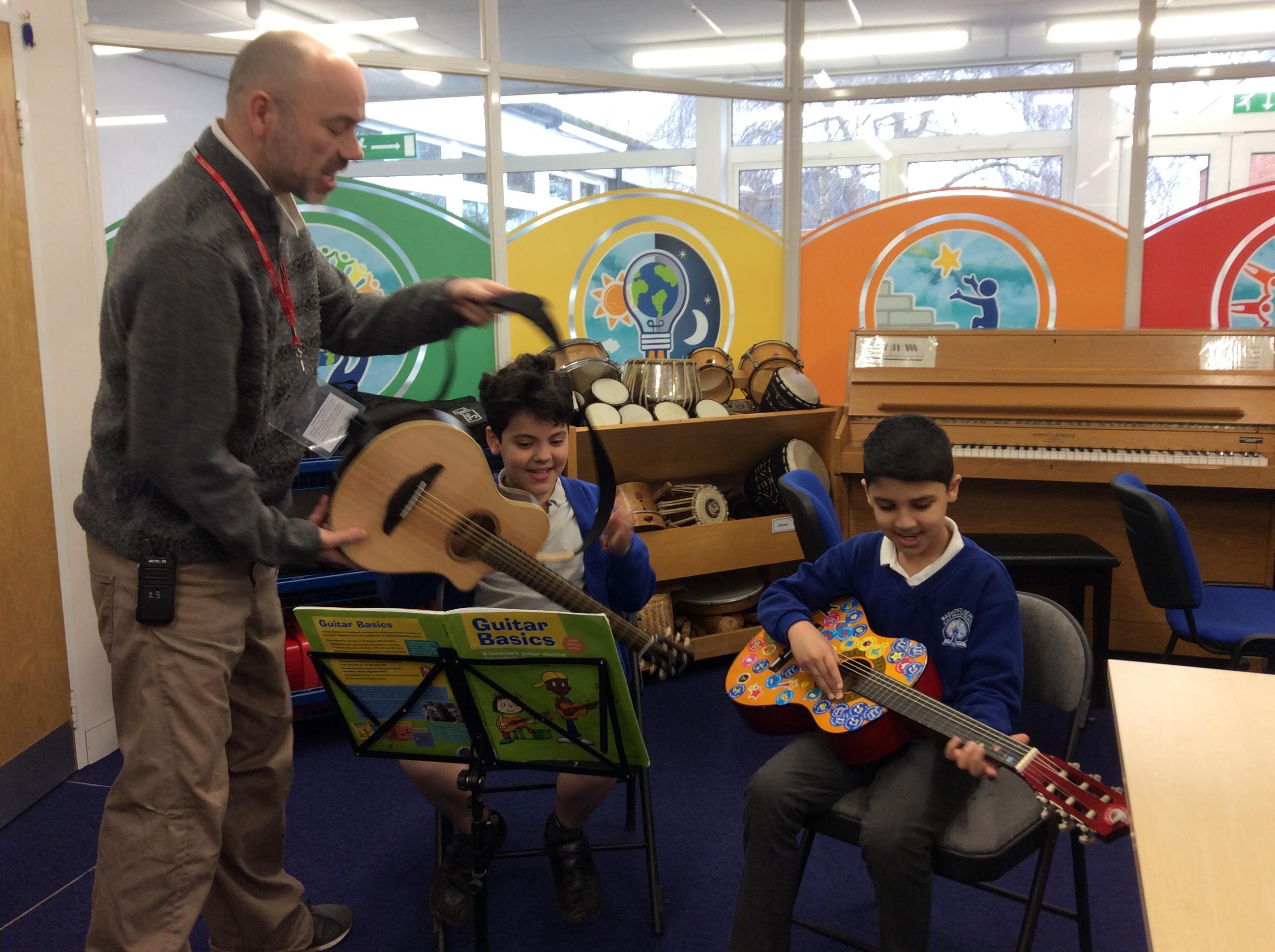
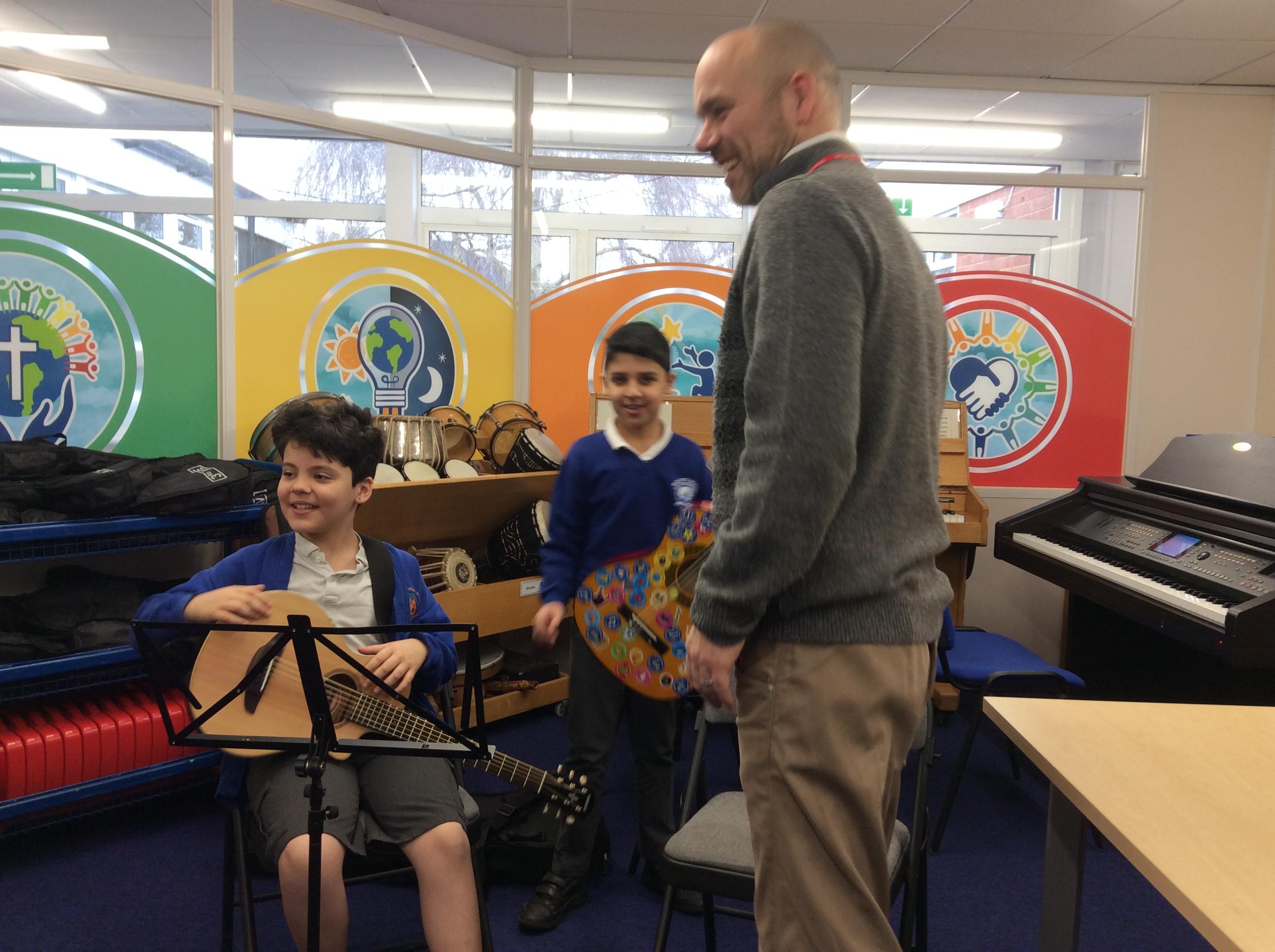
Music specialist Mr Hudson works with children on their guitar skills.
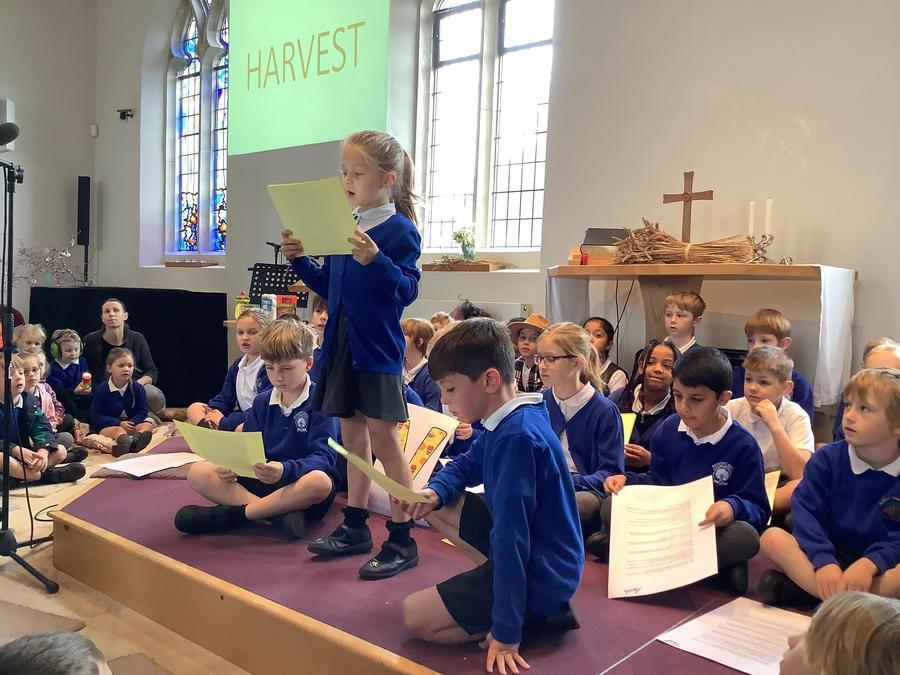
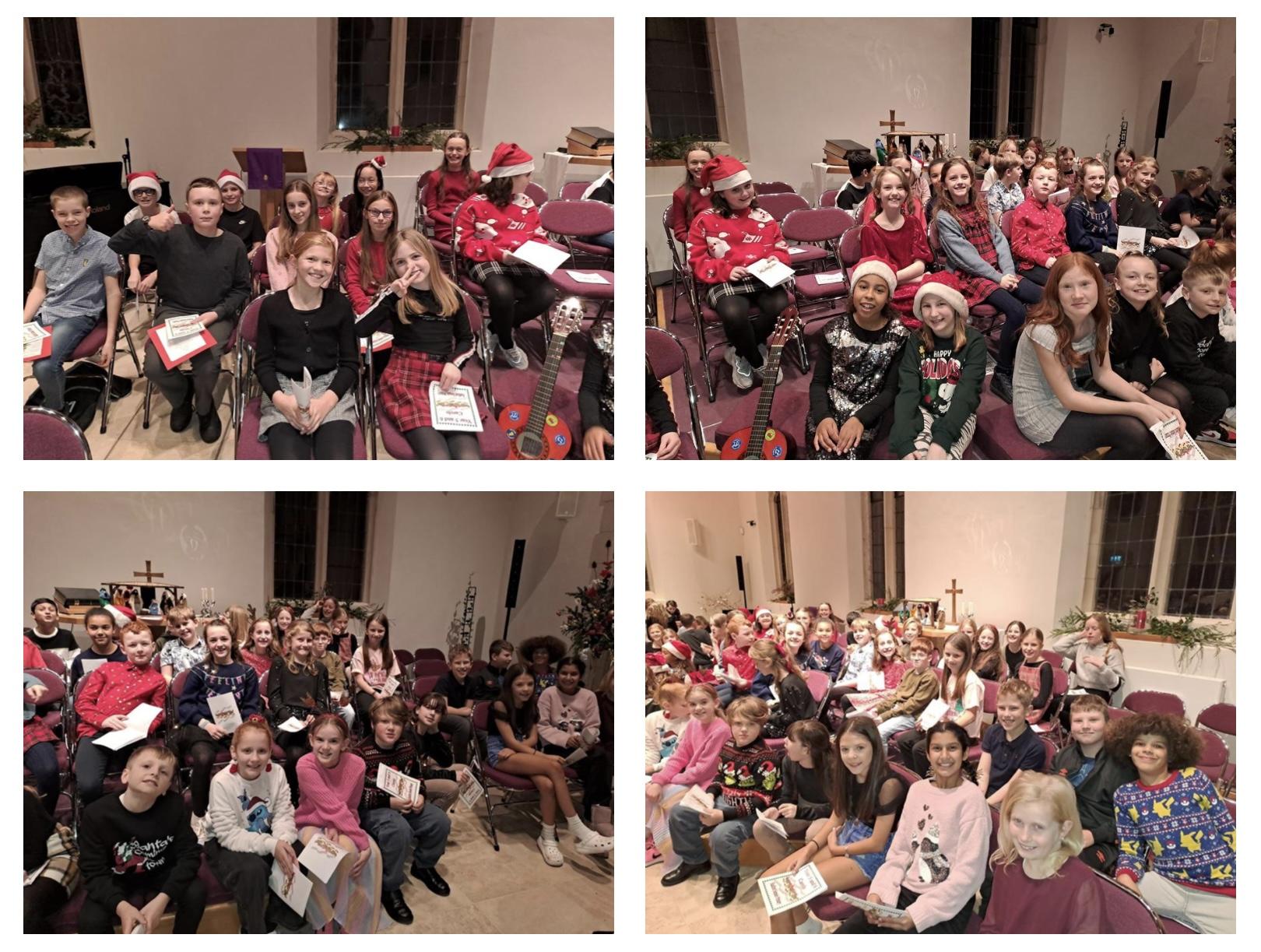
Our children all get the opportunity during their school life to perform in St Nicholas Church for the rest of the school.